

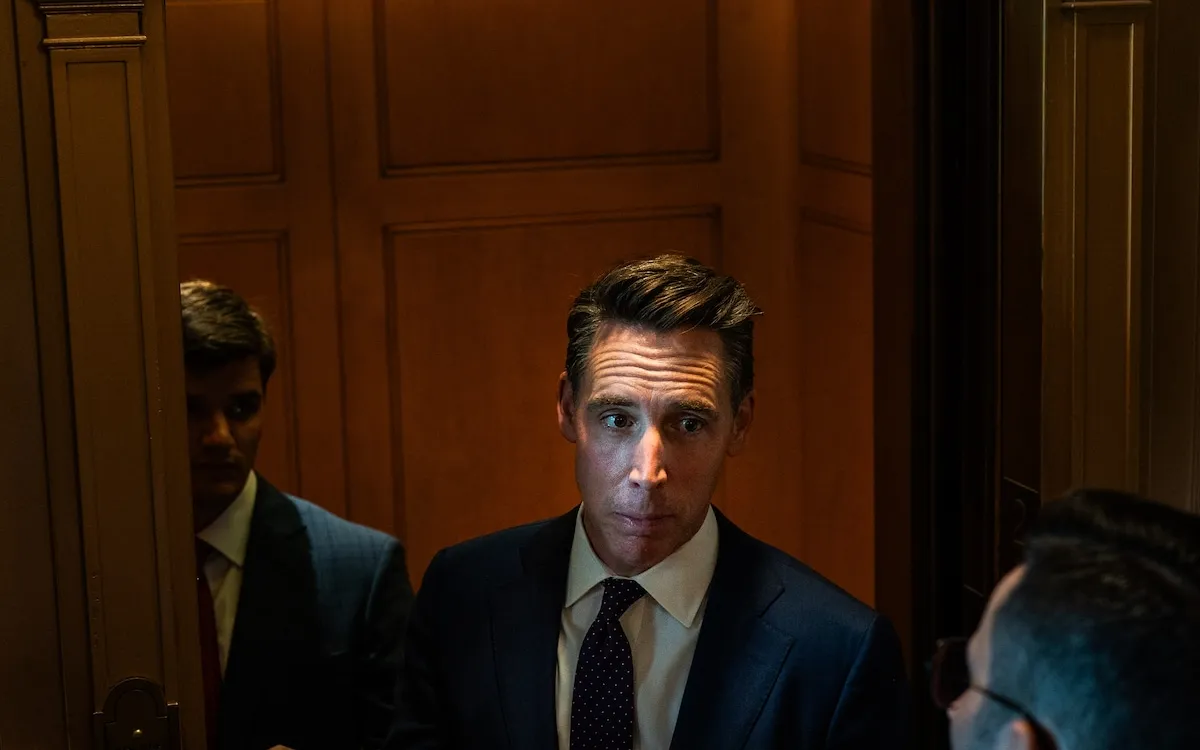
On Wednesday, the U.S. Senate voted against a bipartisan measure designed to limit President Donald Trump's ability to take further military action in Venezuela. This decision came after two Republican senators retracted their support, reportedly due to pressure from the Trump administration.
The proposed legislation sought to establish restrictions on any potential military interventions in Venezuela, a country currently facing significant political and humanitarian crises. Advocates of the measure argued that it was essential to prevent any escalation that could lead to further instability in the region.
Reports indicate that the withdrawal of support from the two Republican senators was influenced by direct pressure from the Trump administration. This intervention underscores the contentious nature of U.S. foreign policy regarding Venezuela, as the administration has maintained a strong stance against the current government led by President Nicolás Maduro.
The Senate's rejection of the bipartisan measure raises concerns among lawmakers and analysts about the potential for unchecked military action in Venezuela. Critics fear that this could exacerbate the ongoing humanitarian crisis and lead to unintended consequences for both the U.S. and the Venezuelan people.
This incident highlights the ongoing debates within the U.S. government over military involvement in foreign conflicts, particularly in sensitive regions like Venezuela. As the situation continues to evolve, it remains to be seen how Congress will respond to future proposals aimed at curtailing military action.