

If you or someone you know may be considering suicide or experiencing a crisis, it's crucial to seek help. You can call or text 988 to reach the 988 Suicide & Crisis Lifeline. This service is available to provide support and resources during difficult times.
When Jo Lambert, a 54-year-old resident of London, first discovered that a loved one was feeling suicidal, she was overwhelmed with fear. "I was so panicked by the grief I might experience if my loved one died that it prevented me from giving my loved one what I needed to," Lambert recalls. This moment, which took place in 2017, marked the beginning of her journey into the realm of suicide prevention.
Over time, Lambert learned that in order to support someone in crisis, she had to set aside her own emotions and focus entirely on the individual in front of her. "As soon as I detached myself from the outcome, I made this about the person in crisis — fully. That was when I got the hang of it," she explains.
Growing into her role as a caregiver for someone experiencing active suicidality, Lambert made a promise to herself: she would share her knowledge to empower others. This commitment culminated in 2023, when she collaborated with five other individuals, each with their own experiences of suicidality. Together, they created a short film focused on suicide prevention, commissioned by a program in the U.K.
The film, aptly titled "Hold the Hope", is narrated through a poem written by Lambert. The poem's poignant lines reflect the deep emotional struggles faced by individuals in crisis:
"Will you hold the hope for me? I feel I've lost my way. I need you to be strong for me. And help me find the strength to stay." Lambert recites the poem, which articulates the need for emotional safety amidst despair.
This heartfelt piece emphasizes the necessity for connection and validation from those who support individuals grappling with suicidal thoughts. "These are the voices of those who regularly return to active suicidality and are surviving it because of the compassion of others," Lambert asserts.
Currently, Lambert works with a regional National Health Service (NHS) Mental Health Trust, coordinating suicide prevention training for a variety of stakeholders, including health care providers and volunteers. In 2024, the South West London and St George's Mental Health NHS Trust began incorporating the film into their suicide prevention awareness training sessions.
Justine Trippier, a psychiatric nurse and Lambert's colleague, believes in the power of sharing personal experiences to combat stigma surrounding suicide. "If we hear from the people directly, then that can change attitudes and create compassion in people," she explains.
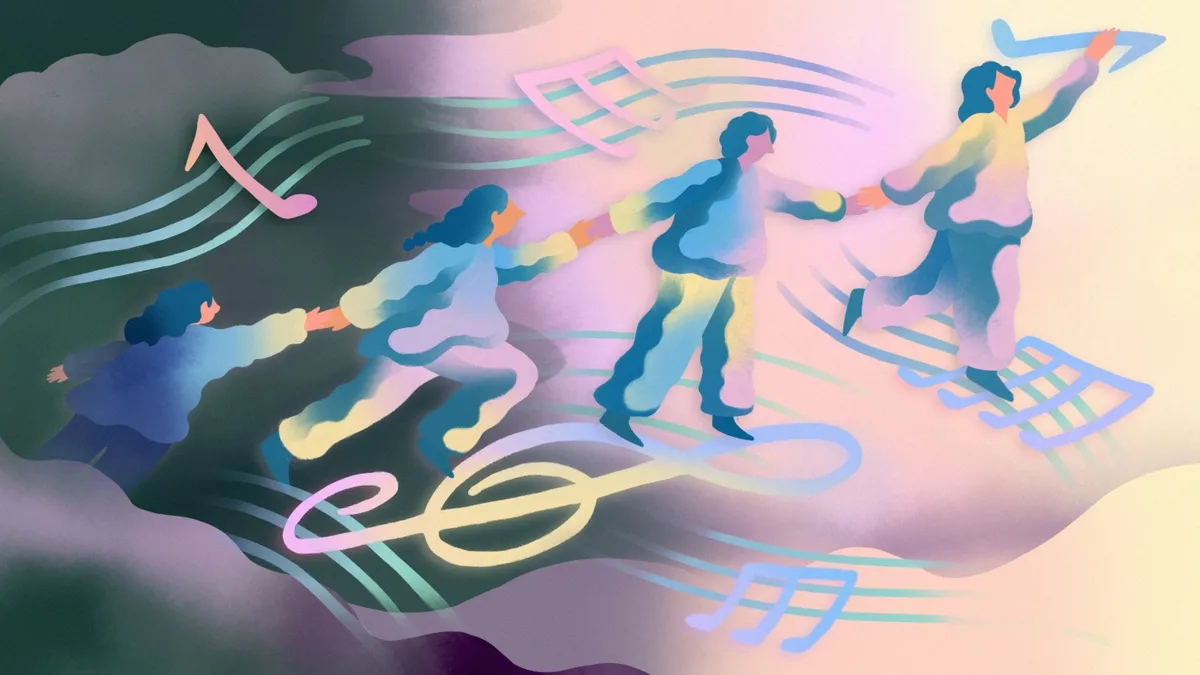
This year, Lambert collaborated with composer Joe Waymouth to transform her poem into a song. "It's a song that grounded me and helped me survive through my loved one's crises," she shares. They enlisted volunteer singers, including health care workers and students, to record the song in a church setting.
With a goal to spread awareness about suicide prevention, Lambert and Trippier hope to utilize the song to reach broader audiences. Lambert emphasizes, "We’ve got to make suicide prevention and awareness everyone's business." She aims to further this mission through various forms of art, including dance and potential hip-hop renditions.
While Lambert's film and song are valuable resources, she underscores that they should not replace formal training. "This is not a quick conversation where everything's fine now," she cautions, noting that the journey of supporting someone with suicidality can be long and exhausting.
Drawing from her own experiences, she reflects on the challenges of care, stating, "I used to imagine I've got to keep pulling, pulling, pulling, until they can climb up themselves." This metaphor highlights the ongoing struggles faced by both caregivers and those in crisis.
The lessons conveyed in Lambert's work resonate with advice from suicide prevention experts. Psychologist Ursula Whiteside emphasizes the importance of remaining calm and present when supporting someone with suicidal thoughts. "It's about being in the room with them as much as possible," she advises.
Whiteside recognizes the unique approach of Lambert’s song, noting its potential to elevate conversations around suicidality. "It shows a type of recognition and respect for the experience that people have," she adds, highlighting its emotional impact on both health care providers and individuals who have faced similar struggles.
Increasingly, mental health professionals are acknowledging the value of lived experiences in suicide prevention. Research indicates that sharing stories of survival can significantly influence others who might be contemplating suicide. Lambert's song serves as a reminder that with proper support, individuals can choose life despite their struggles.
As the 988 Suicide & Crisis Lifeline points out, for every person who dies by suicide, over 300 people seriously consider ending their lives but do not. Lambert’s work, through both her film and song, aims to inspire hope and demonstrate that with the right support, healing is possible.