

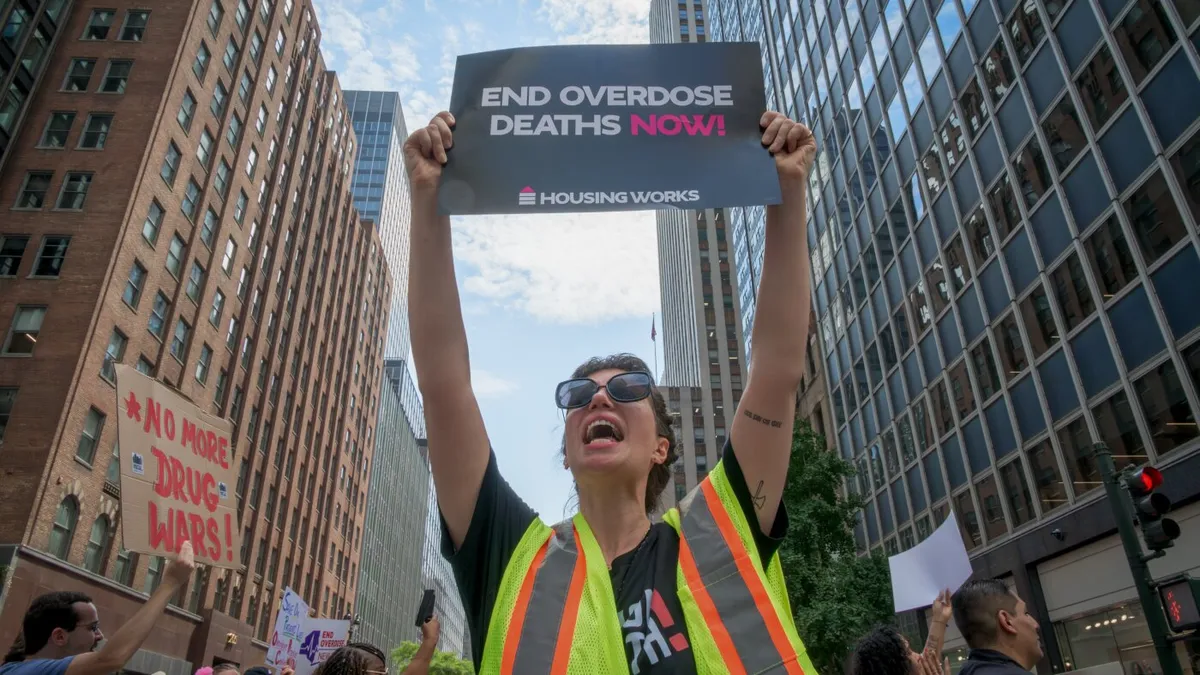
In a shocking move that reverberated throughout the U.S. mental health and drug addiction landscape, the Trump administration issued hundreds of termination letters on Tuesday, effectively ending crucial federal grants that support health services across the nation. Multiple sources have indicated that these cuts could total around $2 billion, significantly impacting nonprofit organizations that provide essential street-level care to individuals grappling with addiction, homelessness, and mental illness.
While NPR has not independently verified the full extent of these grant cancellations, the implications are dire. The U.S. Substance Abuse and Mental Health Services Administration (SAMHSA) has remained unresponsive to requests for clarification, leaving many in the industry in a state of uncertainty. Andrew Kessler, the head of Slingshot Solutions, a consultancy that collaborates with mental health and addiction organizations nationwide, expressed concern over the severe loss of front-line capacity. "Programs may have to shut their doors tomorrow," Kessler warned, highlighting the widespread impact of these terminations from cities like Salt Lake City to El Paso and Detroit.
Ryan Hampton, founder of Mobilize Recovery, a national advocacy organization focused on recovery, reported that his group lost approximately $500,000 overnight due to these abrupt cuts. "Waking up to nearly $2 billion in grant cancellations means front-line providers are forced to cease overdose prevention, naloxone distribution, and peer recovery services immediately," Hampton stated. He further lamented that communities are now left defenseless against a raging addiction crisis, emphasizing that this "cruelty will be measured in lives lost" as recovery centers close and the safety net that was painstakingly built is dismantled.
Copies of the termination letters reviewed by NPR suggest that SAMHSA officials no longer view the defunded programs as aligned with the priorities of the Trump administration. The letters outline efforts to reshape the national health system, which includes a significant restructuring of SAMHSA's grant program. According to the correspondence, grants are set to be terminated as of January 13, with costs incurred after termination deemed non-allowable.
The National Association of County Behavioral Health and Developmental Disability Directors has communicated to its members that it believes over 2,000 grants nationwide, amounting to more than $2 billion, are impacted by these decisions. The organization is actively working to assess the full scope of the cuts. This move follows significant Medicaid reductions passed last year by the Republican-controlled Congress, which have already strained numerous mental health and addiction care providers.
Kessler noted that care providers across the country are sounding alarms about the potential unraveling of the safety net for individuals experiencing addiction or mental health crises. "In the short term, there's going to be severe damage. We're going to have to scramble," he warned. Regina LaBelle, a professor at Georgetown University and former acting head of the Office of National Drug Control Policy during the Biden administration, emphasized the critical nature of SAMHSA grants, stating that they fund lifesaving services from first responders to drug courts. "Continued federal funding quite literally saves lives," LaBelle remarked, stressing that this is not the moment to retract essential support amid an ongoing public health emergency related to overdose deaths.
As the situation develops, requests for comments from SAMHSA and the Department of Health and Human Services have yet to be addressed, leaving many in the mental health and addiction recovery community anxious about the future.