

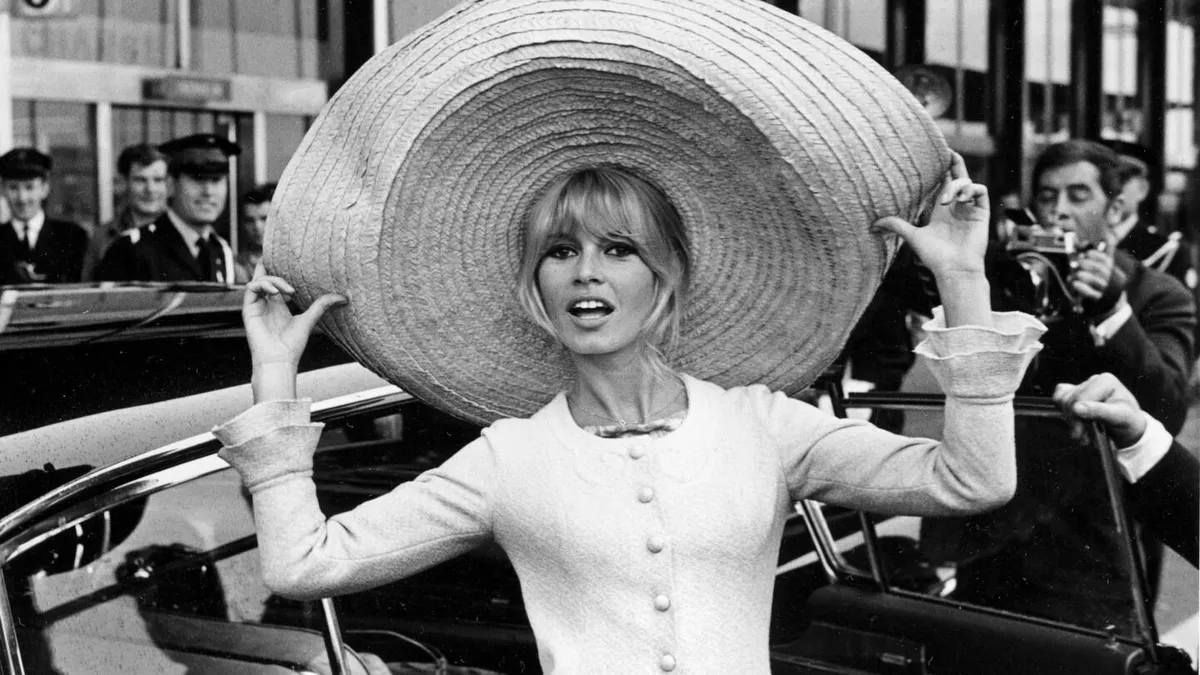
Brigitte Bardot, the iconic French sex symbol of the 1960s, passed away at the age of 91 at her home in southern France. Known for her profound impact on cinema and her later activism, Bardot's death marks the end of an era for one of the 20th century's greatest screen sirens. According to Bruno Jacquelin of the Brigitte Bardot Foundation for the protection of animals, no cause of death has been disclosed, and there are currently no plans for funeral or memorial services.
Bardot first captured international attention as a provocative teen bride in the 1956 film “And God Created Woman”, directed by her then-husband Roger Vadim. The movie sparked controversy with its bold scenes of Bardot dancing on tables, showcasing her long legs and enticing beauty. This film not only launched her career but also made her a symbol of a nation breaking away from bourgeois respectability. Her striking features, including her tousled blond hair and voluptuous figure, endeared her to audiences, even as she battled personal demons like depression.
Her influence reached new heights in 1969 when her likeness was selected to represent “Marianne”, the national emblem of France. Bardot's image graced statues, postage stamps, and coins, solidifying her status as a cultural icon. French President Emmanuel Macron expressed the nation’s sorrow, stating, “We are mourning a legend.”
After retiring from acting, Bardot transitioned into a prominent animal rights activist. She traveled to the Arctic to protest the slaughter of baby seals and condemned animal testing in laboratories. Bardot was vocal about her opposition to certain animal slaughter rituals, famously stating, “Man is an insatiable predator.” Her commitment to animal welfare earned her respect in France, culminating in her receipt of the Legion of Honor in 1985, the nation’s highest accolade.
However, Bardot's activism took a controversial turn as she began expressing far-right views, particularly regarding immigration. She faced multiple legal challenges, being convicted five times for inciting racial hatred, particularly against the Muslim community. Her marriage to Bernard d’Ormale, a former adviser to far-right leader Jean-Marie Le Pen, further influenced her political stance. In 2012, she publicly supported Marine Le Pen’s presidential campaign, describing her as “incredibly French.”
Born on September 28, 1934, to a wealthy industrialist, Bardot's upbringing was marked by strict discipline. At just 14, she graced the cover of Elle magazine, launching her modeling career. Her tumultuous personal life included three marriages and a struggle with depression, particularly after her son Nicolas was born. Bardot candidly discussed her difficult experiences in her autobiography, where she expressed feeling unprepared for motherhood and often overwhelmed by fame.
Bardot starred in numerous films, including “A Parisian” (1957), “The Truth” (1960), and “Contempt” (1963), directed by Jean-Luc Godard. While her films frequently showcased her stunning looks rather than complex narratives, they played a vital role in defining cinematic trends of the 1960s. Bardot retired from acting at 39 after her final film, “The Woman Grabber”, in 1973, seeking a quieter life away from the spotlight.
A decade later, Bardot re-emerged as an animal rights advocate, dedicating her life to preventing animal cruelty. Despite facing challenges, including battling depression and encountering backlash for her controversial statements, she remained passionate about animal welfare. Bardot’s activism extended globally, urging countries to reconsider outdated practices in animal treatment and calling for bans on dog meat sales in South Korea.
As tributes pour in, the world remembers Brigitte Bardot not just as an emblem of beauty and sensuality but as a fierce advocate for animal rights. Paul Watson, a fellow environmental campaigner, noted, “Her allegiance was not to the world of humans. The animals of this world lost a wonderful friend today.” Bardot herself once reflected on her connection to animals, saying, “I can understand hunted animals, because of the way I was treated.”
Brigitte Bardot leaves behind a complex legacy—a blend of cinematic brilliance, personal struggles, and a passionate commitment to animal rights. Her journey from a celebrated actress to a controversial activist continues to spark discussions about fame, morality, and the responsibilities that come with it.