

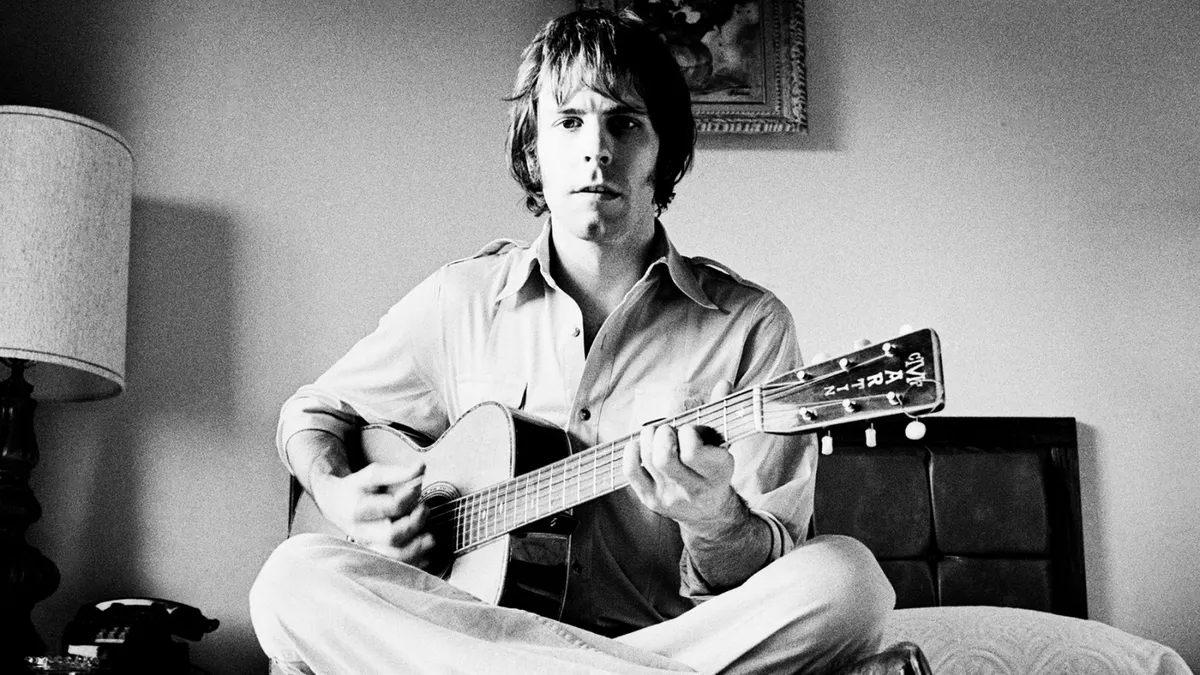
Bob Weir, the iconic singer, songwriter, and guitarist known for co-founding the legendary band Grateful Dead, has passed away at the age of 78. A statement released by Weir's family expressed their profound sadness, noting that he transitioned peacefully while surrounded by loved ones. Although specific details regarding the date of his death were not immediately available, his family revealed that he had courageously fought cancer but ultimately succumbed to underlying lung issues.
Weir's family emphasized his indelible impact on American music, stating, “Bobby will forever be a guiding force whose unique artistry reshaped American music.” They described his work as more than just melodies; it was a warm light that filled the souls of countless fans, fostering a sense of community and belonging. “Every chord he played and every word he sang told a story, inviting listeners to feel, question, and wander,” they added.
Born Robert Hall Weir on October 16, 1947, in San Francisco, Weir was given up for adoption by a college student. Raised in an affluent suburb of the Bay Area, he faced challenges early on, including being expelled from preschool and the Cub Scouts, as well as struggling with undiagnosed dyslexia. His journey into music began at the age of thirteen when he started playing guitar, eventually leading him to the vibrant folk scene at the Tangent in Palo Alto. It was here that he first encountered the legendary Jerry Garcia.
Weir's early musical collaborations included forming the acoustic group Mother McCree’s Uptown Jug Champions, which later evolved into the electric band known as the Warlocks, before finally adopting the name Grateful Dead. Despite being overshadowed by Garcia's larger-than-life persona, Weir's contributions as a co-lead singer and guitarist were pivotal to the band’s sound and legacy.
As a vital part of the Grateful Dead, Weir was known for his distinctive guitar riffs, unconventional song structures, and unique stage presence. Although he often felt underappreciated compared to Garcia, fellow band member Phil Lesh referred to Weir as “a stealth machine,” highlighting his significant yet understated influence on the band’s music.
Throughout the 1970s, Weir played a crucial role in creating some of the band’s most beloved albums, including Workingman’s Dead and American Beauty. His ability to seamlessly blend country-rock elements with improvisational music set the Grateful Dead apart from other bands of the era. Notably, Weir's songwriting prowess shone through with classics like “Playing in the Band” and “Cassidy,” which became staples in the band's repertoire.
Despite facing challenges, including a tumultuous relationship with drugs within the band, Weir persevered. Following the untimely death of Pigpen in 1972, he naturally stepped into a more prominent vocal role, further solidifying his place within the band. Weir’s solo work, including albums like Ace and Heaven Help the Fool, showcased his growth as an artist and his ability to captivate audiences beyond the Grateful Dead.
After Jerry Garcia's death in 1995, Weir continued to honor the band's legacy through various projects, including RatDog and collaborating with former Grateful Dead members in groups like Dead & Company. His commitment to keeping the spirit of the Grateful Dead alive was evident in his performances and collaborations, ensuring that new generations could experience the magic of their music.
In the years leading up to his passing, Weir remained active in the music scene, embarking on new ventures and releasing his third solo album, Blue Mountain, in 2016. He also participated in significant events, such as the Kennedy Center Honors, celebrating the Grateful Dead's contributions to music and culture.
Weir's final performances took place during a three-night stand at San Francisco’s Golden Gate Park in August 2023, marking the Grateful Dead’s 60th anniversary. These concerts were described by his family as emotional and full of light, symbolizing Weir's resilient spirit even in his last months.
As the world mourns the loss of Bob Weir, his family shared a poignant reminder of his enduring spirit: “Bobby's final months reflected the same spirit that defined his life.” His impact on music and the hearts of fans will undoubtedly resonate for generations to come.