

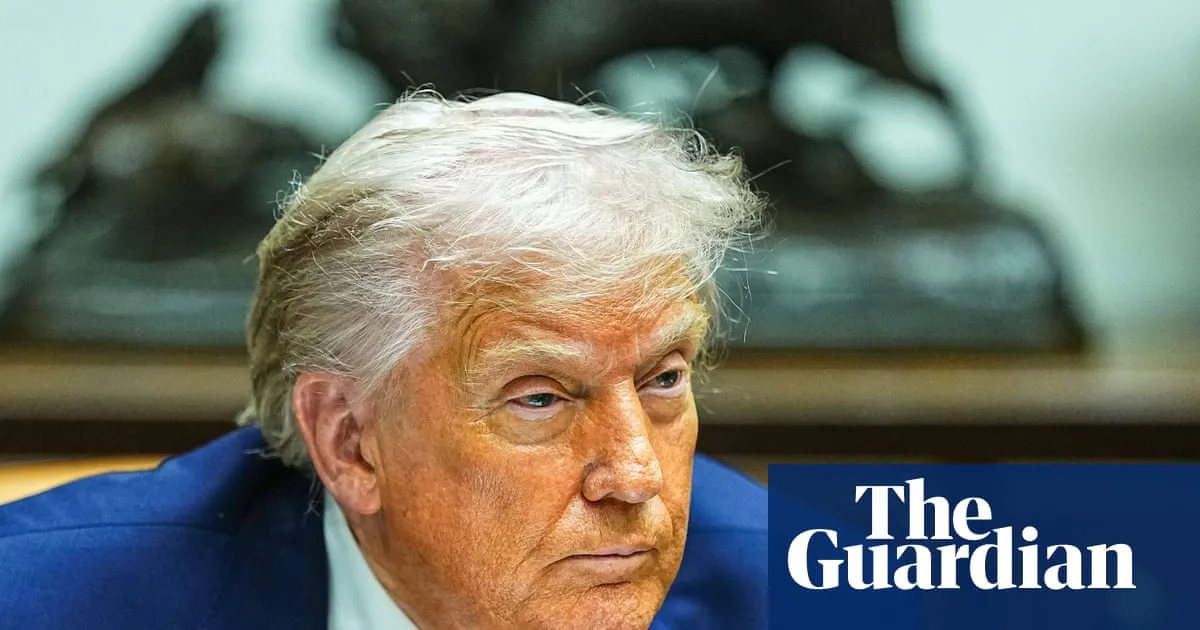
This week, Donald Trump announced a controversial plan to impose a one-year cap on credit card interest rates, limiting them to 10%. This announcement has elicited mixed reactions from lawmakers and the public alike. In a post on his social media platform, Truth Social, Trump stated that the cap would take effect on January 20, although he did not provide details on how the government would enforce this policy or ensure compliance among credit card companies.
Trump's post read, “Please be informed that we will no longer let the American Public be ‘ripped off’ by Credit Card Companies that are charging Interest Rates of 20 to 30%, and even more, which festered unimpeded during the Sleepy Joe Biden Administration.” He also noted that the effective date of January 20 coincides with the one-year anniversary of what he described as the “historic and very successful Trump Administration.”
During his second campaign, Trump had promised to impose such a cap on credit card interest rates, especially as American credit card debt soared to a record high of over $1.1 trillion. By the third quarter of 2024, this debt had escalated to an astonishing $1.17 trillion, up from $770 billion in the first quarter of 2021.
After failing to act on this campaign promise, Senators Bernie Sanders and Josh Hawley introduced a bipartisan bill in February 2025 aimed at capping credit card interest rates at 10% for the next five years. In a statement, they argued, “When large financial institutions charge over 25 percent interest on credit cards, they are not engaged in the business of making credit available. They are engaged in extortion and loan sharking.” They emphasized that this legislation would provide essential financial relief to working families struggling with expenses.
Despite the support for the bill, it has faced significant opposition from banking groups, causing it to stall in Congress. Just a day before Trump’s announcement, Sanders criticized the former president for not following through on his campaign promise, stating, “Trump promised to cap credit card interest rates at 10% and stop Wall Street from getting away with murder.” He pointed out that instead of taking action, Trump had deregulated banks, allowing them to charge up to 30% in interest.
Shortly after Trump's announcement, Bill Ackman, a billionaire hedge fund manager and Trump supporter, expressed his concerns. He initially tweeted that the announcement was “a mistake,” warning that credit card lenders might cancel consumer cards if they weren't able to charge rates high enough to manage risk. Later, Ackman acknowledged the merit of Trump's goal but reiterated his worry that a 10% cap could lead to widespread cancellation of credit cards for millions of Americans.
Senator Elizabeth Warren also voiced skepticism regarding the feasibility of implementing such a cap without Congressional approval. She remarked, “Begging credit card companies to play nice is a joke. If Trump was serious, I’d work to pass a bill to cap rates.” Warren criticized Trump for attempting to undermine the Consumer Financial Protection Bureau and suggested that he does not genuinely care about affordability for average Americans.
Similar to the pushback against Sanders and Hawley's bipartisan bill, major banking associations, including the Bank Policy Institute, the American Bankers Association, and the Consumer Bankers Association, released a joint statement on Trump's proposal. They acknowledged the president's goal of making credit more affordable but cautioned that a 10% interest rate cap could significantly reduce credit availability, impacting millions of families and small business owners who depend on credit cards. They warned that such a cap might drive consumers toward less regulated and more expensive alternatives.
As the January 20 deadline approaches, the debate over the proposed credit card interest rate cap continues. With divided opinions among lawmakers, financial experts, and the public, the implications of this policy remain uncertain. The upcoming months will reveal how the Trump administration plans to navigate these challenges and whether this initiative will gain traction or face further opposition.