

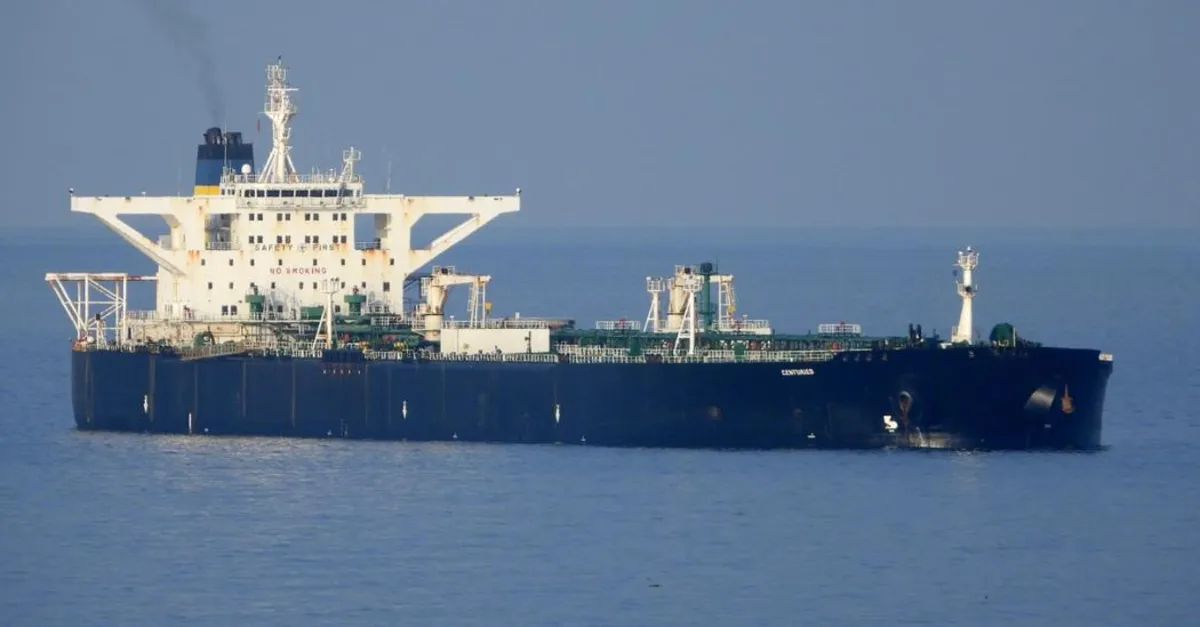
On Saturday, the U.S. Coast Guard initiated an operation to intercept an oil tanker, known as the Bella 1, which is linked to Venezuela and was attempting to evade capture in the Caribbean Sea. This event unfolds shortly after former President Trump announced plans to intensify actions against vessels sanctioned for their involvement in Venezuela's oil trade. According to three U.S. officials who requested anonymity due to the sensitive nature of the operation, the Bella 1 was en route to collect oil from Venezuela but was not carrying any cargo at the time.
The Bella 1 has faced U.S. sanctions since last year for its role in the transportation of Iranian oil, which U.S. federal authorities claim is used to finance terrorism. When U.S. forces attempted to approach the Bella 1 late Saturday, the vessel was reportedly not flying a valid national flag, categorizing it as a stateless vessel. Under international law, this status permits American authorities to board the ship at sea.
U.S. authorities had secured a seizure warrant from a federal magistrate judge, allowing them to take possession of the Bella 1. This warrant was issued due to the ship's previous connections to the Iranian oil trade, rather than its current links to Venezuela. However, despite these legal provisions, the Bella 1 did not comply with the boarding attempt and continued its voyage. One official described the situation as “an active pursuit,” highlighting the ongoing nature of the operation.
Earlier on the same day, the Coast Guard successfully boarded another tanker, and it had previously seized a third tanker on December 10, which is now docked in Texas. These actions illustrate a significant escalation in the U.S. government's pressure campaign against Venezuelan President Nicolás Maduro. As part of these efforts, Maduro has ordered vessels from the Venezuelan Navy to escort oil tankers departing from his country, raising concerns about the potential for armed confrontations at sea.
At the time of reporting, the Bella 1 had not yet entered Venezuelan waters and was operating without naval escort. Ship-tracking data corroborates this information, indicating the vessel's continued flight from U.S. authorities. The ongoing situation highlights the complexities of maritime law and international relations concerning oil trade and sanctions enforcement.