

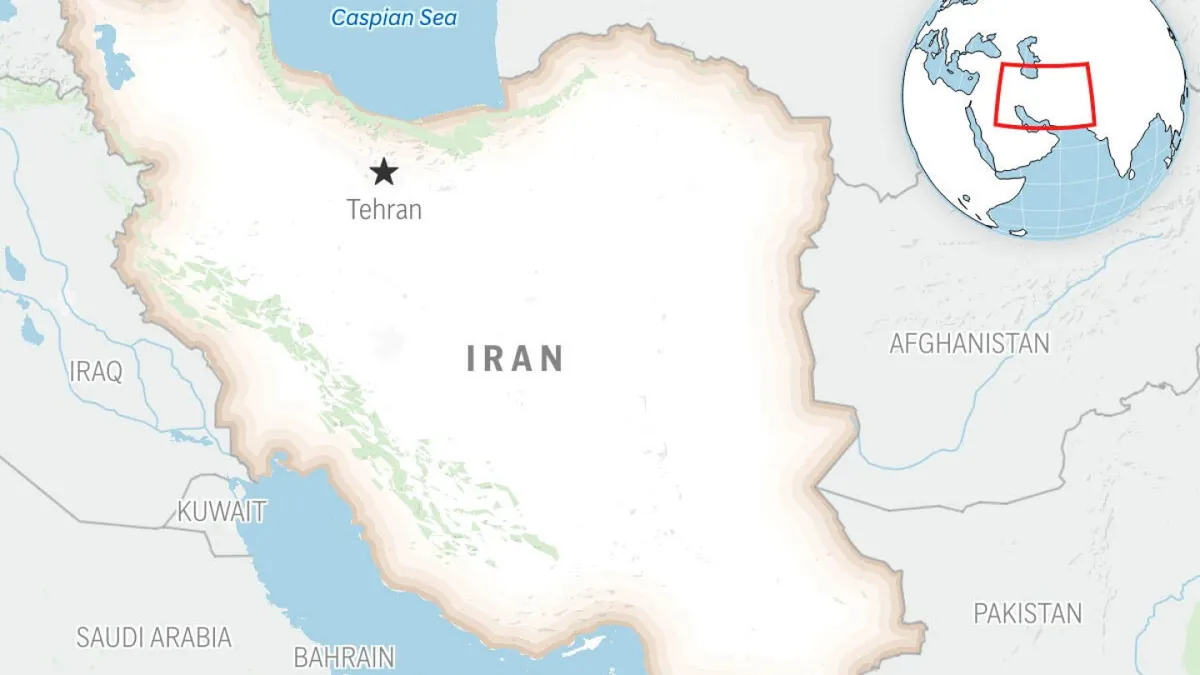
In a significant turn of events, Iran’s Supreme Leader, Ayatollah Ali Khamenei, indicated on Friday that the security forces would intensify their crackdown on protesters. This comes after demonstrators took to the streets and shouted from their windows, openly challenging U.S. President Donald Trump’s promises to support peaceful protests. Khamenei denounced Trump, claiming his hands are “stained with the blood of Iranians,” as crowds shouted “Death to America!” in footage broadcasted by Iranian state television.
State media labeled the protesters as “terrorists,” signaling a potential violent response reminiscent of previous crackdowns following nationwide protests in Iran. Khamenei criticized the demonstrators, claiming they were “ruining their own streets ... to please the president of the United States,” and urged Trump to focus on issues within his own country instead. While there was no immediate response from Washington, Trump has reiterated his stance to take action against Iran if protesters are harmed, especially following the recent U.S. military operations in Venezuela.
Despite the Iranian government cutting off the internet and international telephone communication, activists shared short videos online purportedly showing protests in Tehran and other cities. These videos depicted protesters chanting against Iran’s leadership around bonfires, highlighting the unrest that has been escalating since December 28, primarily driven by grievances over the nation’s struggling economy.
Iranian state media claimed that “terrorist agents” from the U.S. and Israel were responsible for igniting violence and causing casualties, although details remained scarce due to the communication blackout. The demonstrations, which have become the most significant challenge to the Iranian government in years, reflect the public's growing frustration with economic hardships and oppressive governance.
This wave of protests also marks a critical moment for Crown Prince Reza Pahlavi, the son of the last Shah of Iran, who has called for demonstrations. His plea for protests on Thursday and Friday night aims to mobilize public sentiment against the current regime. Supporters have been spotted chanting slogans in favor of the Shah, an indication of the anger that has fueled the protests.
According to the U.S.-based Human Rights Activists News Agency, at least 42 people have been killed during the unrest, with over 2,270 individuals detained. Holly Dagres, a senior fellow at the Washington Institute for Near East Policy, noted that Pahlavi’s calls for action significantly influenced the protests, emphasizing that the regime's internet blackout likely aimed to obscure the demonstrations from international scrutiny.
Witnesses reported that as the clock struck 8 p.m. on Thursday, Tehran erupted with chants demanding freedom, including slogans like “Death to the dictator!” and “Death to the Islamic Republic!” Thousands took to the streets, but shortly thereafter, communication lines were severed. Pahlavi condemned the regime's actions, stating, “It has shut down the internet. It has cut landlines. It may even attempt to jam satellite signals.” He called on European leaders to join Trump in holding the Iranian regime accountable.
The protests come against a backdrop of previous unrest in Iran, particularly following the severe economic crisis exacerbated by international sanctions and internal mismanagement. With the Iranian rial plummeting to 1.4 million to $1, the public's discontent has reached a boiling point. Trump’s warnings to Iran about the consequences of violently suppressing peaceful demonstrators have added a layer of international scrutiny to the situation.
As tensions escalate, the future of the Iranian government remains uncertain. Trump suggested that Khamenei may be contemplating leaving Iran, hinting at the possibility of significant changes within the country. The ongoing protests, coupled with international attention, may pave the way for a critical shift in Iran's political landscape.