

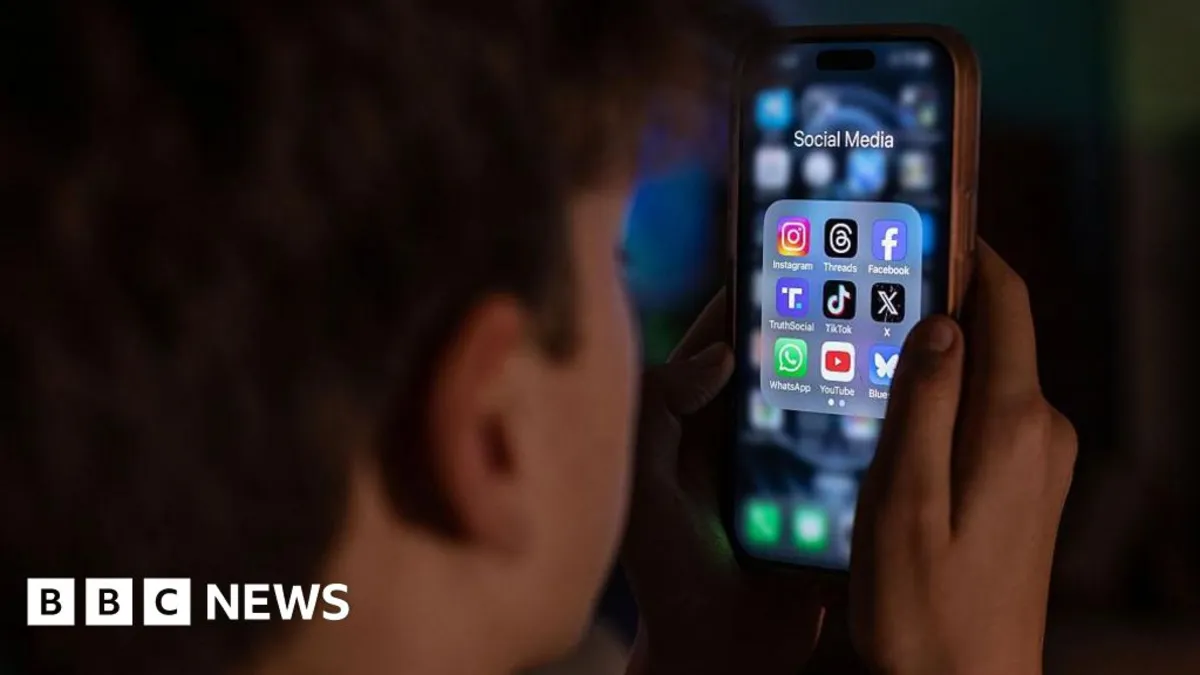
In a significant move to enhance online safety, Meta has blocked approximately 550,000 accounts during the initial days of Australia's groundbreaking social media ban targeting children. This ban, which came into effect in December, mandates that popular platforms like Instagram and Facebook prevent Australians under the age of 16 from creating accounts. The law has garnered international attention and is viewed as a critical step to protect children from harmful content and algorithms.
Advocates for the ban, including government officials, argue that it is essential for safeguarding children from the dangers of the online world. Campaigners assert that the legislation is necessary to shield young users from exposure to inappropriate material and to limit their engagement with potentially harmful algorithms. In response to these concerns, companies such as Meta have expressed their support for enhanced safety measures for young users online, while simultaneously advocating for alternative approaches to regulation.
In a recent blog update, Meta revealed that during the first week of compliance with the new law, they blocked a total of 330,639 accounts on Instagram, 173,497 accounts on Facebook, and 39,916 accounts on Threads. The company stressed the importance of developing a more robust framework for age verification, suggesting that such measures should be implemented at the app store level. This approach, according to Meta, would alleviate the compliance burden on both regulators and application developers.
Despite the stringent nature of Australia's law, some experts express skepticism regarding its effectiveness. They warn that children may easily bypass the age restrictions by manipulating the technology used for age verification or by seeking out alternative, potentially unsafe platforms. Meta highlighted the need for a consistent, industry-wide approach to protecting young users, advocating for exemptions that would allow for parental approval.
Australia's social media ban for kids is the strictest in the world, with no allowance for parental exemptions, setting it apart from similar efforts by governments in regions such as the United States and the European Union. While some jurisdictions have begun to explore limitations on children's social media usage, Australia's higher age limit of 16 makes it a standout case. The ban has received overwhelming support from parents and has drawn attention from political leaders globally, with the UK Conservative Party indicating plans to implement similar measures if they secure victory in the upcoming elections.
However, the law has faced criticism from various quarters, including mental health advocates and youth groups. Some argue that the ban limits essential social connections for children, particularly those from marginalized groups, such as LGBTQ+ youth, neurodivergent individuals, and those residing in rural areas. Critics contend that restricting access to social media could hinder young people's ability to navigate the realities of life on the internet, leaving them ill-prepared for future online interactions.
As the world watches closely, the outcomes of Australia's social media ban for kids could pave the way for future legislation in other countries. Balancing the need for child safety with the benefits of social connectivity remains a complex challenge, and it is clear that ongoing dialogue between governments and the tech industry is essential to develop effective solutions.