

The world is currently facing a significant memory chip shortage, largely driven by the surging demand from artificial intelligence (AI) technologies. The rapid expansion of AI-related cloud computing and data centers has created an unprecedented need for specific types of memory chips. This surge is anticipated to have a widespread impact on the prices of various technology-powered products.
Avril Wu, a senior research vice president at TrendForce, a Taiwan-based consultancy that closely monitors computer component markets, emphasizes the urgency of the situation. "If you want a device, you should buy it now," she advises, having already acquired her own iPhone 17. The chips at the center of this crisis are known as RAM (random access memory), which are essential for ensuring that devices such as smartphones, computers, and gaming consoles operate efficiently.
RAM chips play a crucial role in multitasking, enabling users to keep multiple browser tabs open or stream videos smoothly without interruptions. According to TrendForce's data, the demand for these RAM chips currently exceeds supply by a staggering 10%, and this gap is expanding rapidly. Manufacturers are facing rising costs, with reports indicating that they are paying 50% more for the most common type of RAM, known as DRAM (dynamic random access memory), compared to the previous quarter.
Wu indicates that if manufacturers desire to secure DRAM chips more quickly, they are having to pay two to three times the regular price. She projects that DRAM prices could increase by another 40% in the next quarter and does not foresee a decrease in prices until 2026.
The demand for memory chips is being significantly driven by the needs of AI data centers, which require extensive memory to support advanced graphics processing unit (GPU) microprocessors that are essential for training and operating AI models. Sanchit Vir Gogia, CEO of Greyhound Research, highlights that AI workloads are fundamentally built around memory. He notes that AI companies are investing billions into constructing data centers at an accelerated pace globally, indicating that the demand for memory chips is not merely a temporary spike but a fundamental shift in the market.
Gogia explains that training and inference systems necessitate large, persistent memory footprints, along with high bandwidth and close proximity to computing resources. "You cannot dial this down without breaking performance," he states, emphasizing the critical nature of memory in AI applications.
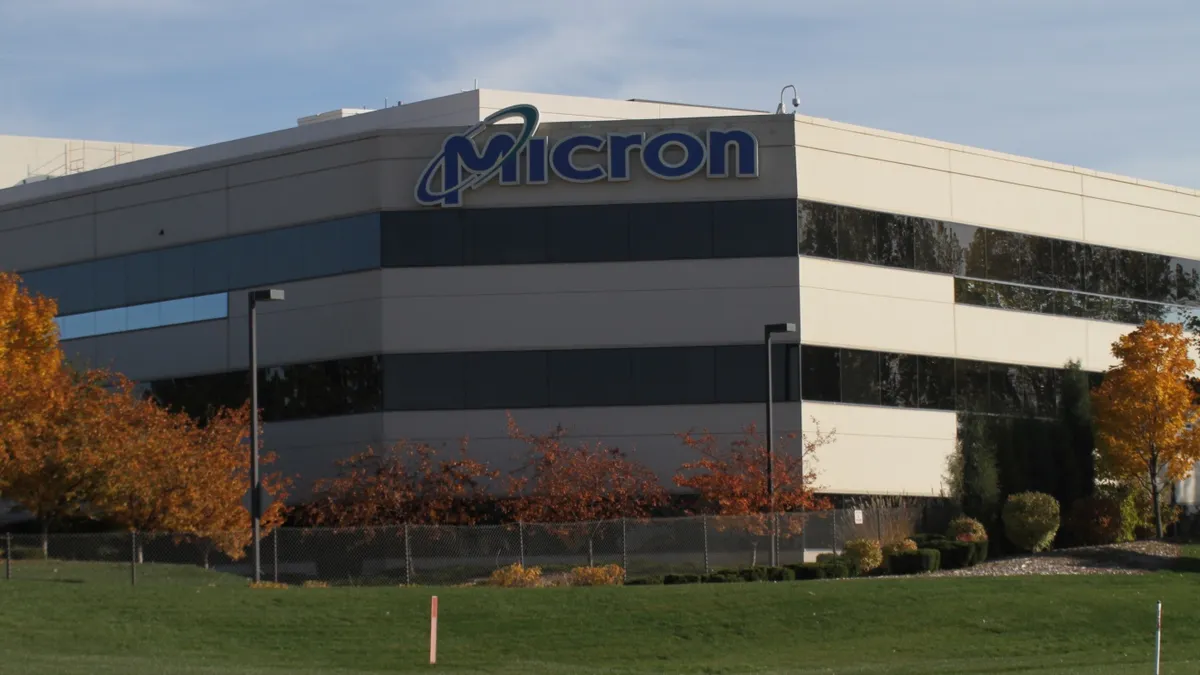
In response to the escalating demand for high-end memory related to AI, chipmakers like Micron have redirected their production efforts. This redirection means that fewer chips are available for other sectors, including personal computers, mobile phones, gaming, and consumer electronics such as TVs, ultimately leading to higher costs across the board.
Dell Technologies' Chief Operating Officer, Jeff Clarke, acknowledged these rising costs during an earnings call, stating, "For PCs, I don't see how this will certainly not make its way into the customer base." Analysts agree that there is no immediate solution to this issue. Wu points out that the memory chip industry is experiencing a significant bottleneck, with projections suggesting that chipmakers will reach their production capacity limits by the end of 2026. The next new factory expected to contribute to production is currently under construction by Micron in Idaho, with plans to be operational in 2027.
Given these circumstances, suppliers are expected to continue raising prices for memory chips for the foreseeable future, solidifying the impact of AI on the technology market.