

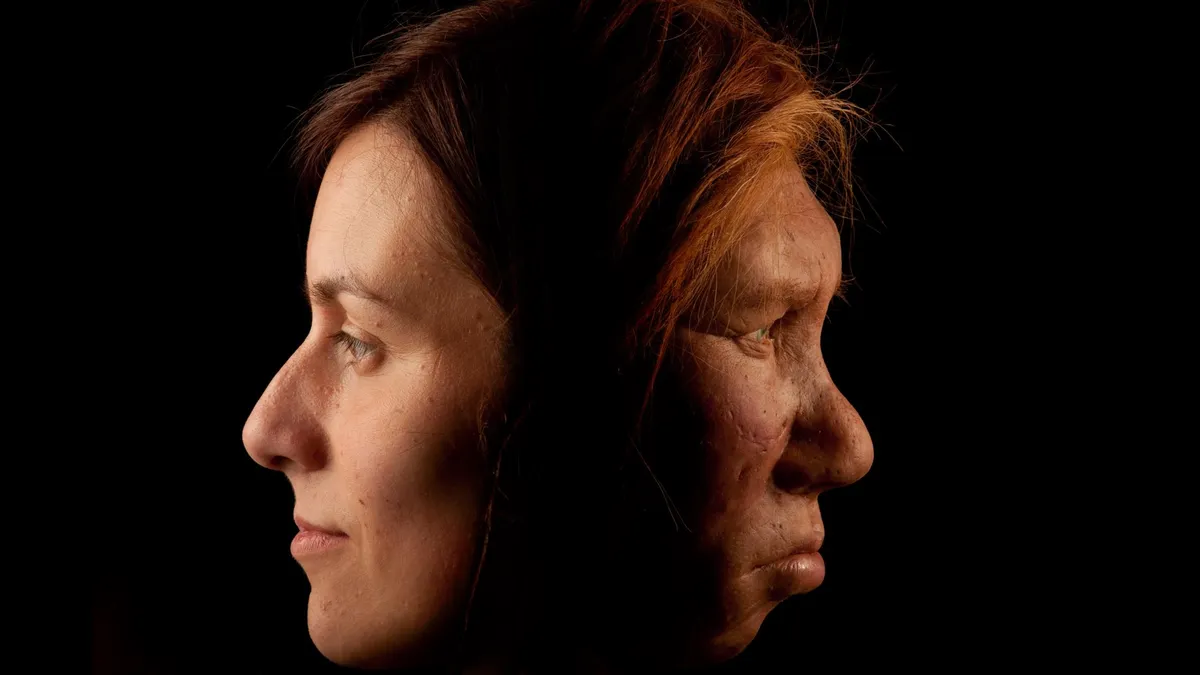
A groundbreaking study suggests that a genetic incompatibility between Neanderthals and modern humans may have contributed to the extinction of our ancient relatives. Researchers found that different versions of the PIEZO1 gene could have led to miscarriages in hybrid offspring, thus impacting Neanderthal reproductive success.
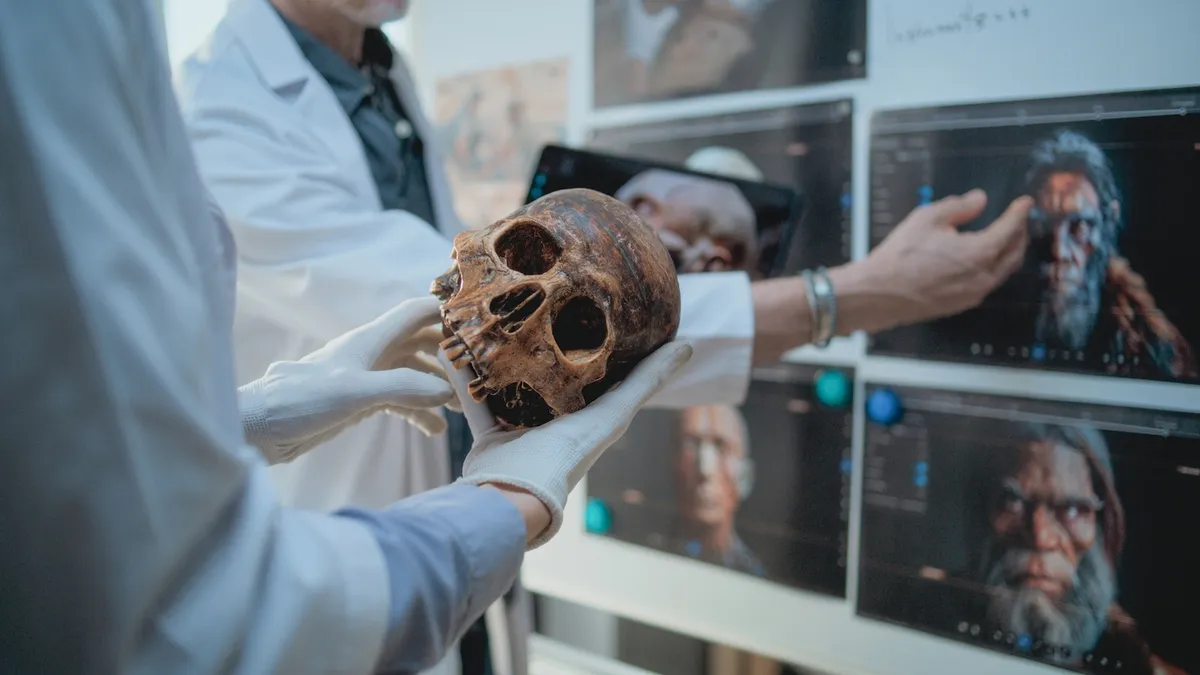
New research reveals that ancient humans' exposure to lead may have given Homo sapiens a crucial survival advantage over Neanderthals by enhancing their resistance to lead’s harmful effects. This groundbreaking study analyzes the lead content in fossilized teeth of early hominids.
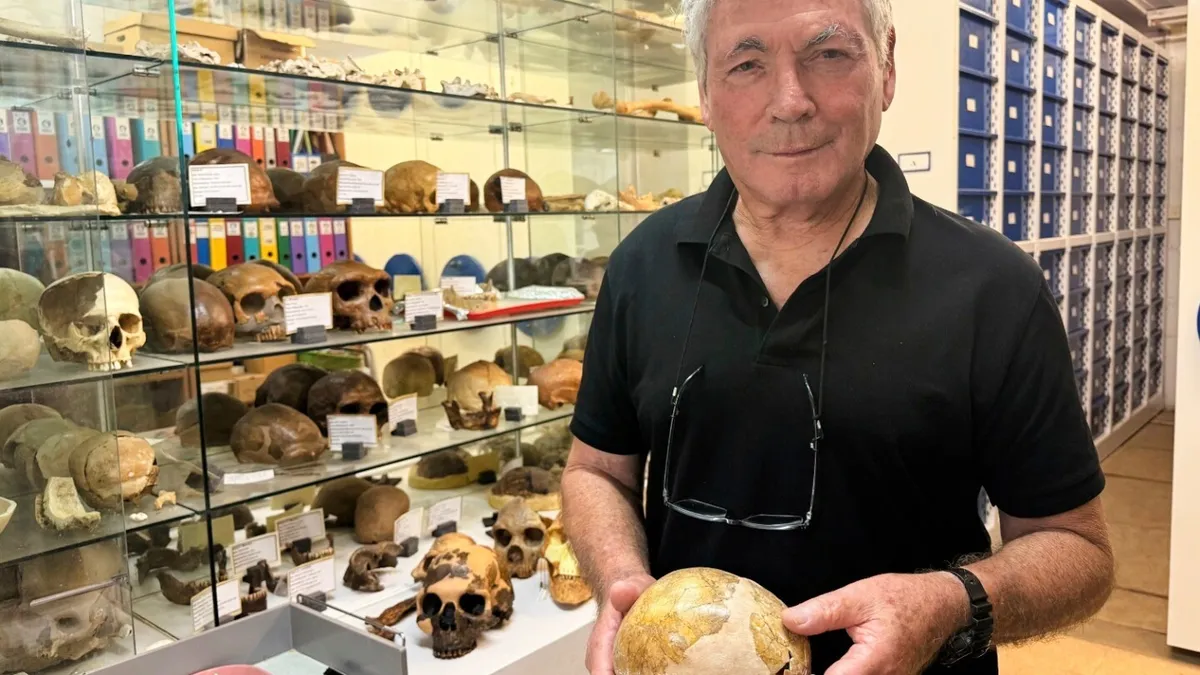
A groundbreaking study reveals that modern humans and Neanderthals interacted 100,000 years earlier than thought. Evidence from a child's bones suggests interbreeding, challenging old assumptions about their relationship.
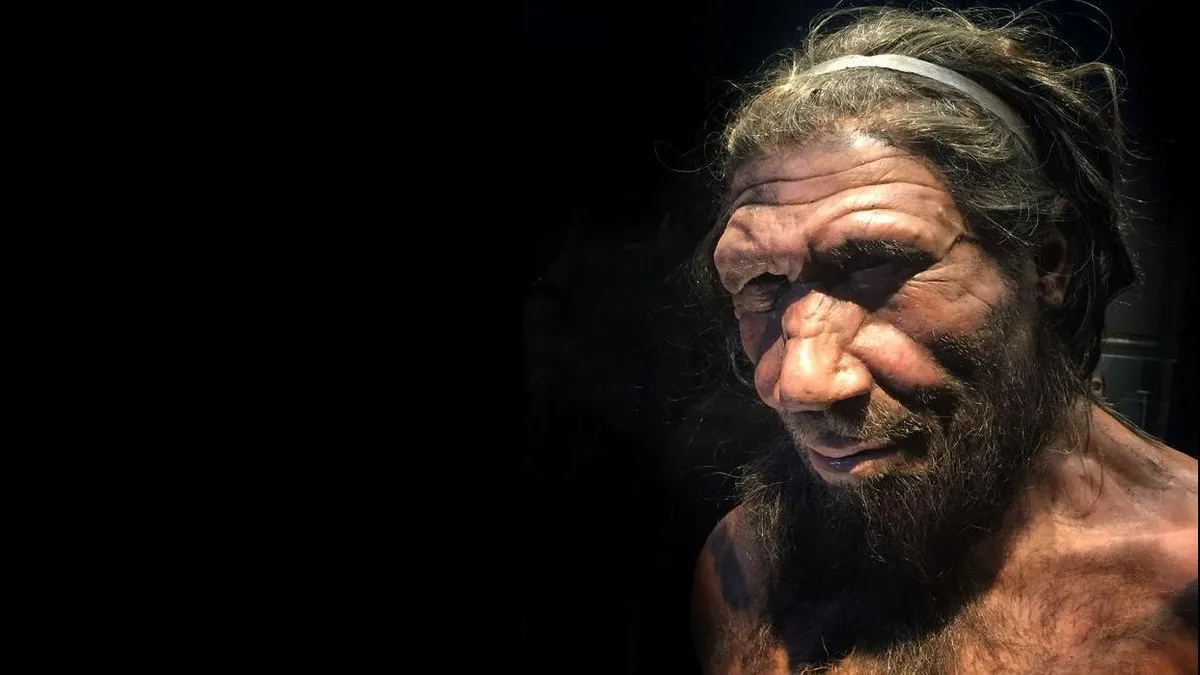
A groundbreaking study suggests that a singular genetic difference in a protein crucial for DNA synthesis may have given modern humans an evolutionary edge over Neanderthals and Denisovans, impacting behavior and survival.
A groundbreaking study reveals that modern humans share 20% of their DNA with a mysterious ancient population, suggesting a complex history of interbreeding and evolution that reshaped our species.