


The Supreme Court may grant President Trump unprecedented power to fire FTC commissioners, challenging a 90-year-old legal precedent. Key justices voice concerns about the implications for presidential authority.

The Supreme Court appears ready to allow President Trump to dismiss a Democratic FTC leader, a move that could reshape the boundaries of executive power and challenge a 90-year-old legal precedent.

The Supreme Court is set to decide if Trump can fire FTC members, potentially reshaping the independence of federal agencies. The case highlights tensions between the presidency and Congress over regulatory powers.
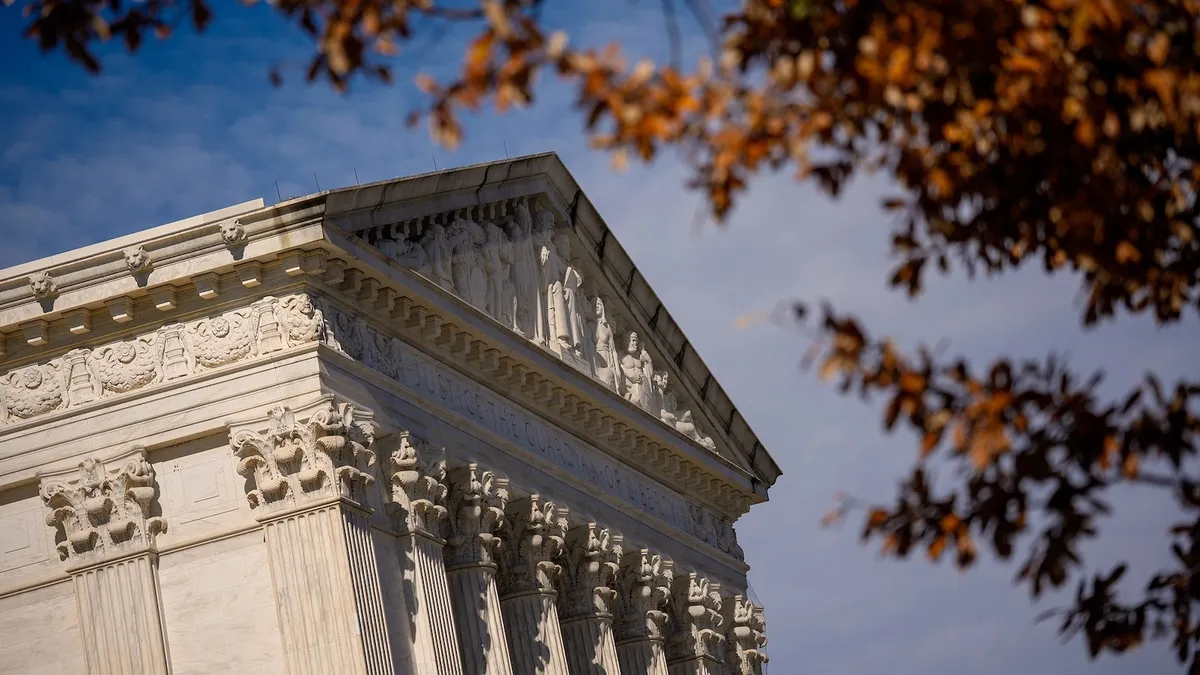
A Supreme Court case could drastically alter the independence of U.S. regulatory agencies, allowing presidents to remove members for political reasons, potentially reshaping American governance.
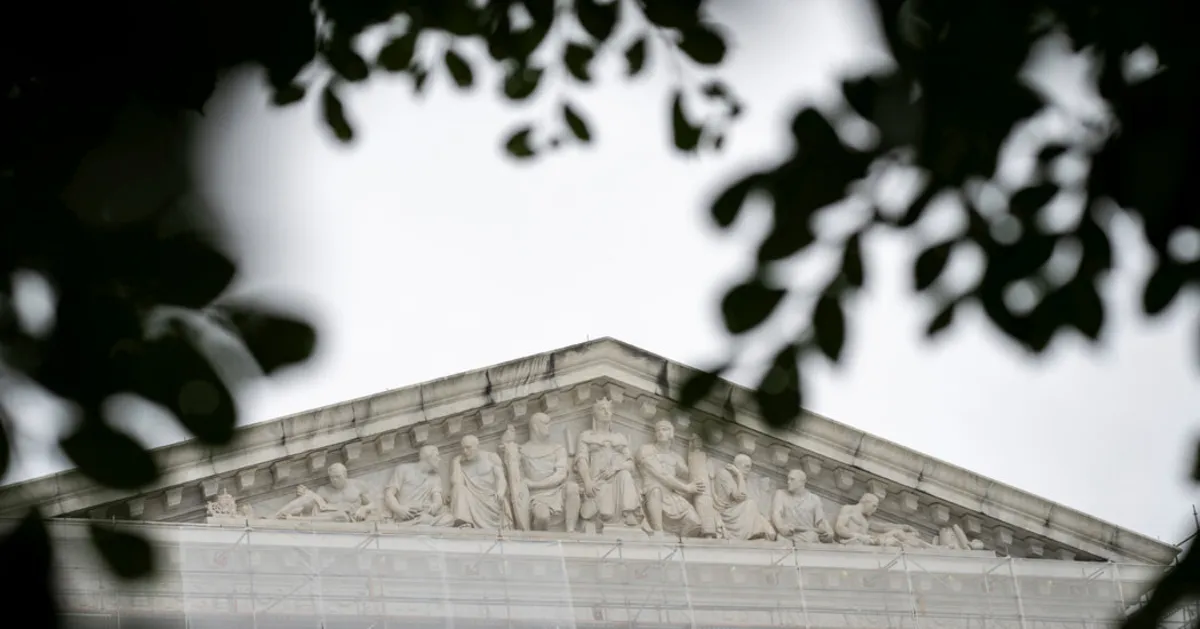
In a landmark decision, the Supreme Court allows President Trump to fire FTC leader Rebecca Slaughter, igniting a heated debate over executive power and the independence of federal agencies. The court's ruling signals a potential shift in presidential authority over independent regulators.
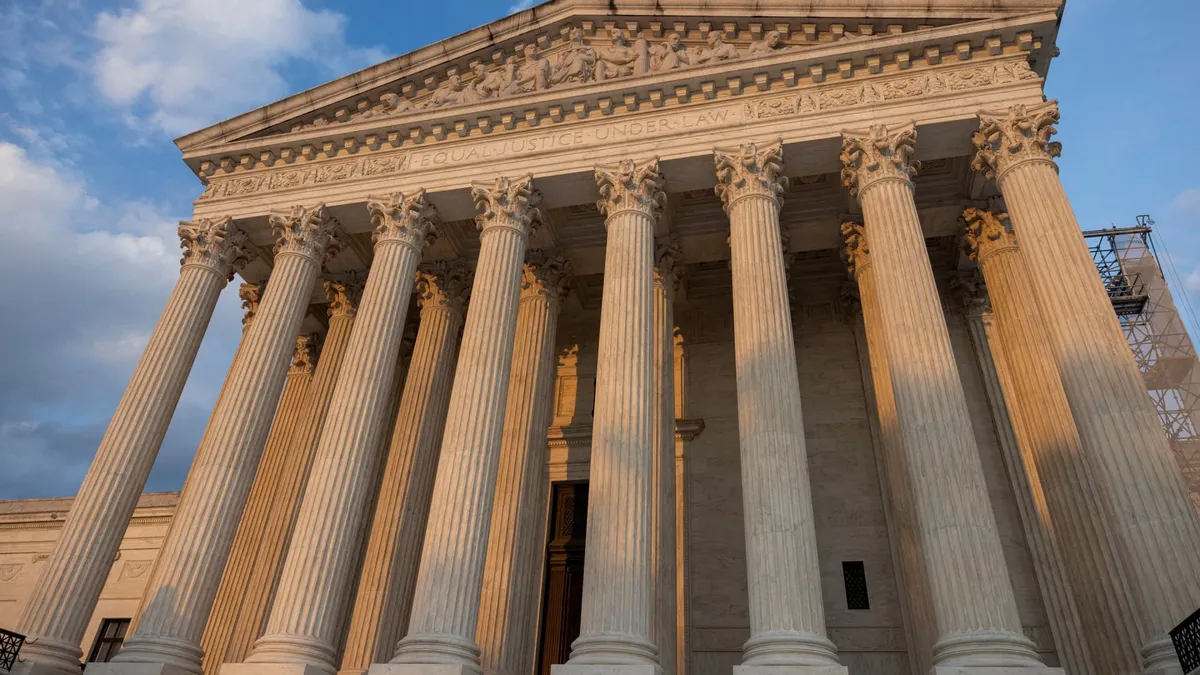
In a landmark decision, the Supreme Court has ruled in favor of President Trump, allowing him to remove FTC member Rebecca Slaughter as they review her case. This ruling challenges a long-standing precedent on federal agency protections.

In a contentious ruling, Chief Justice John G. Roberts Jr. allows President Trump to dismiss FTC Commissioner Rebecca Slaughter while the Supreme Court deliberates her case. What does this mean for the future of the FTC?
President Trump dismisses the only two Democratic FTC commissioners, claiming executive authority. This controversial move raises questions about the agency's independence and ongoing tech investigations.
Kroger appoints Ronald Sargent as interim CEO following the departure of longtime leader McMullen due to personal conduct issues. As Kroger prepares to report financial results, questions arise about the impact on grocery prices after a failed merger with Albertsons.