

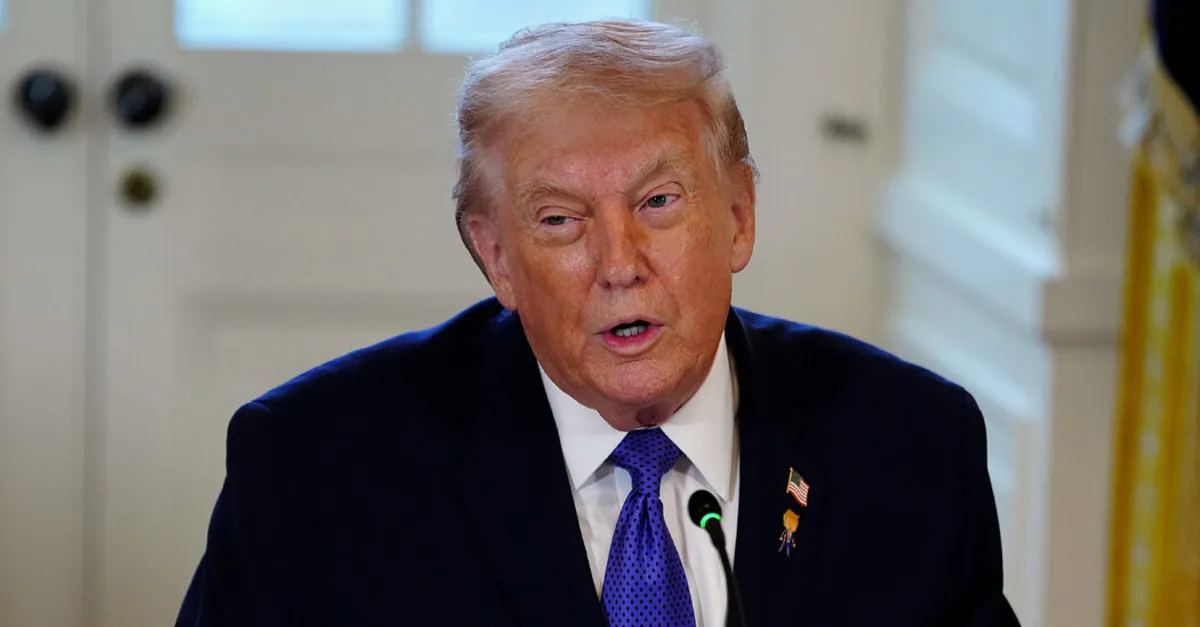
President Trump is calling for $100 billion in investments from major oil companies into Venezuela. While smaller businesses show interest, major players like Exxon and ConocoPhillips remain hesitant. Will they take the plunge?

A massive power outage in San Francisco affected over 130,000 homes and businesses on a busy shopping day. While many have had power restored, thousands remain in the dark as crews work to resolve the situation.

In a groundbreaking move, President Trump orders cannabis to be reclassified from Schedule I to Schedule III, potentially easing financial burdens for Michigan cannabis businesses and paving the way for expanded research and better banking access.
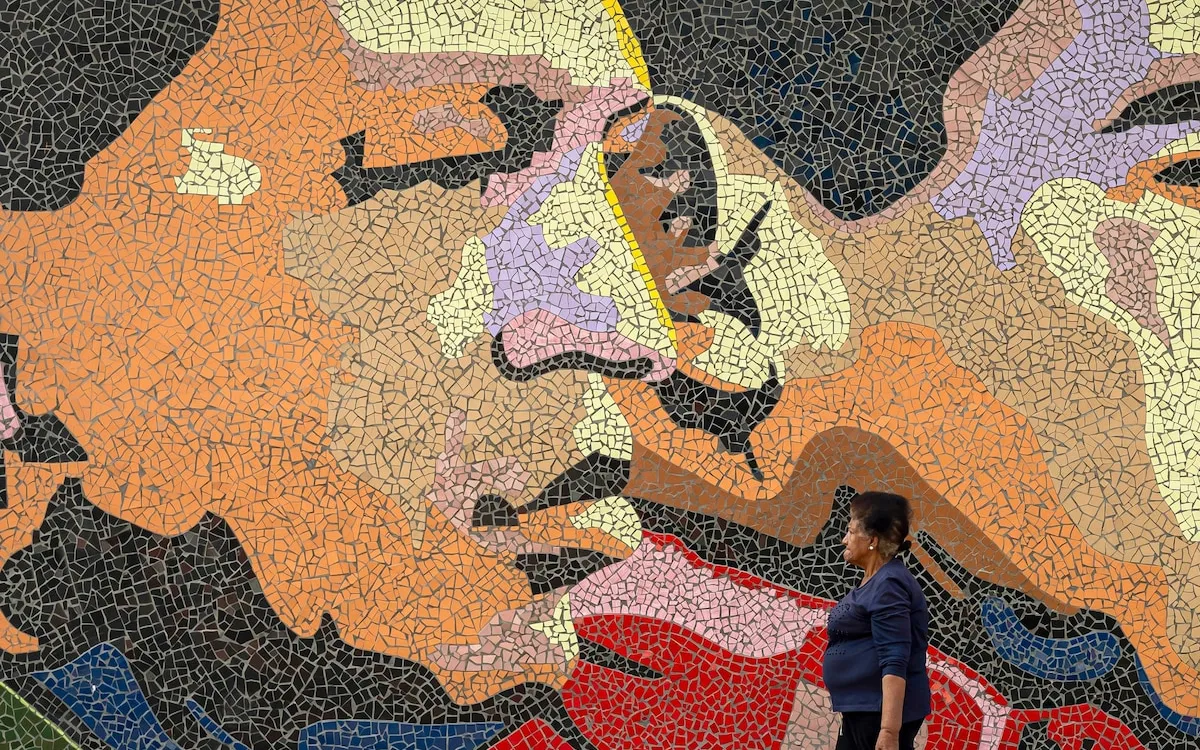
In a bold move back in 1976, Venezuela nationalized its oil industry, seizing control from foreign companies like ExxonMobil. Discover how this decision reshaped the nation's economy and global oil markets.

In a bold move, House GOP leaders propose a new health care plan aimed at extending ACA subsidies and addressing skyrocketing insurance costs. Will this legislation be the lifeline Americans need?
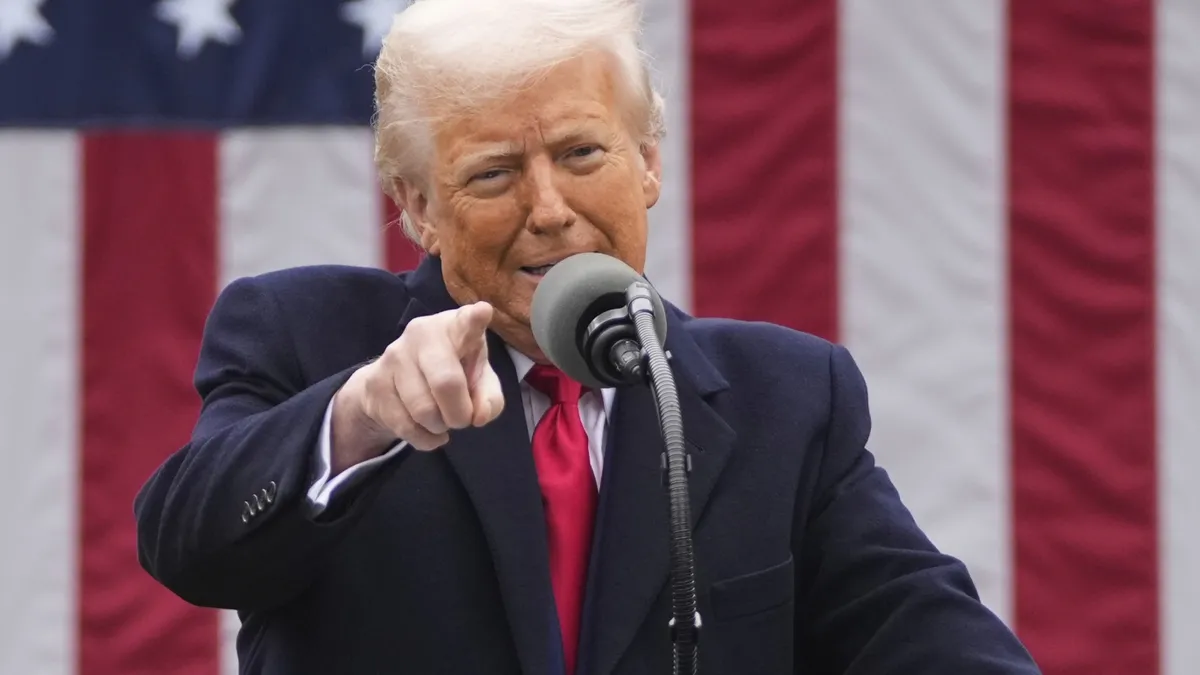
President Trump proposes $2,000 payments to Americans funded by tariff revenues, but experts warn it could lead to a massive budget shortfall and contradict his fiscal goals. Is it a viable plan or just a political play?
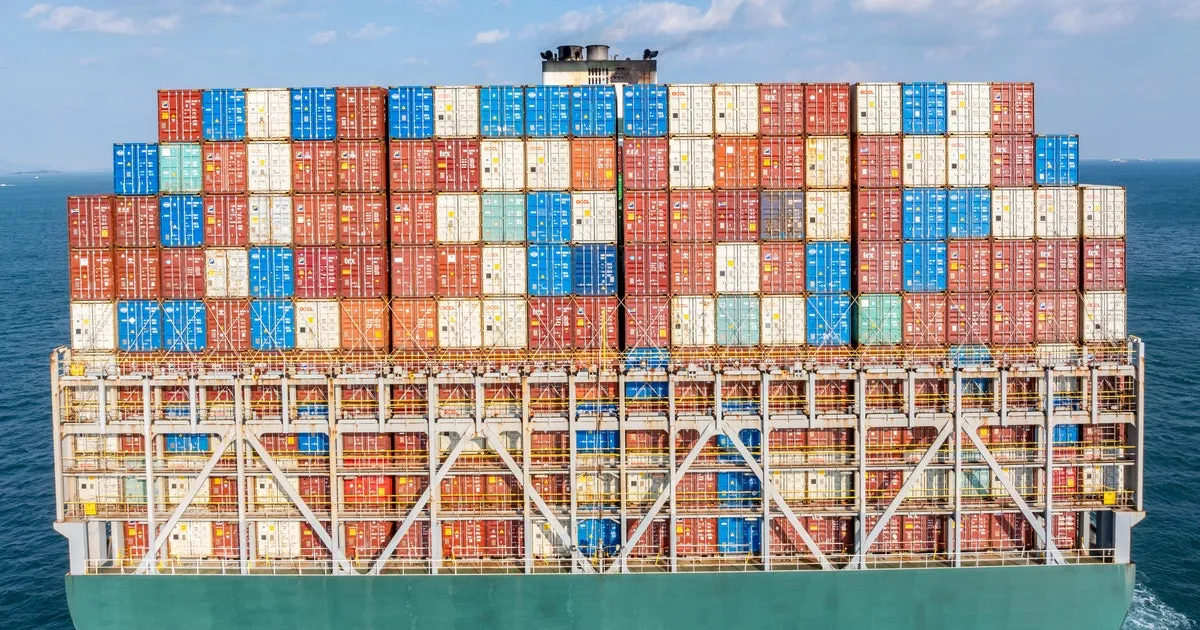
As the Supreme Court considers Trump's use of emergency powers for tariffs, experts predict that high tariffs will persist regardless of the ruling. What does this mean for businesses and the economy?
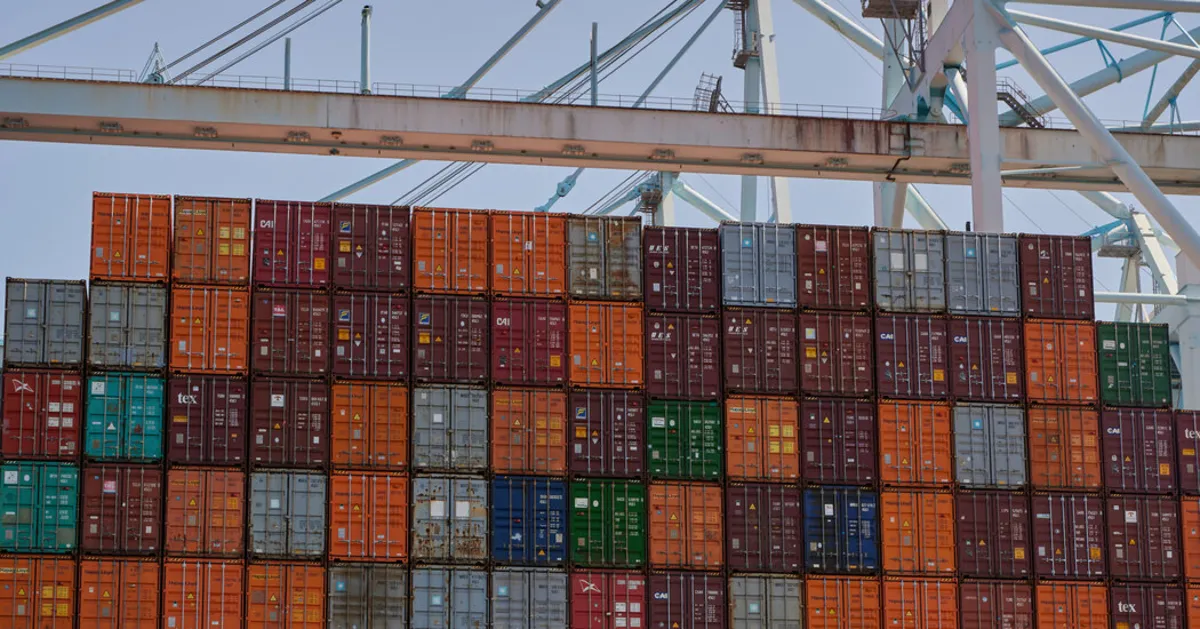
The Supreme Court appears skeptical of President Trump's authority to impose historic tariffs, with potential ramifications for the economy and trade policy. Adam Liptak explains the arguments presented.
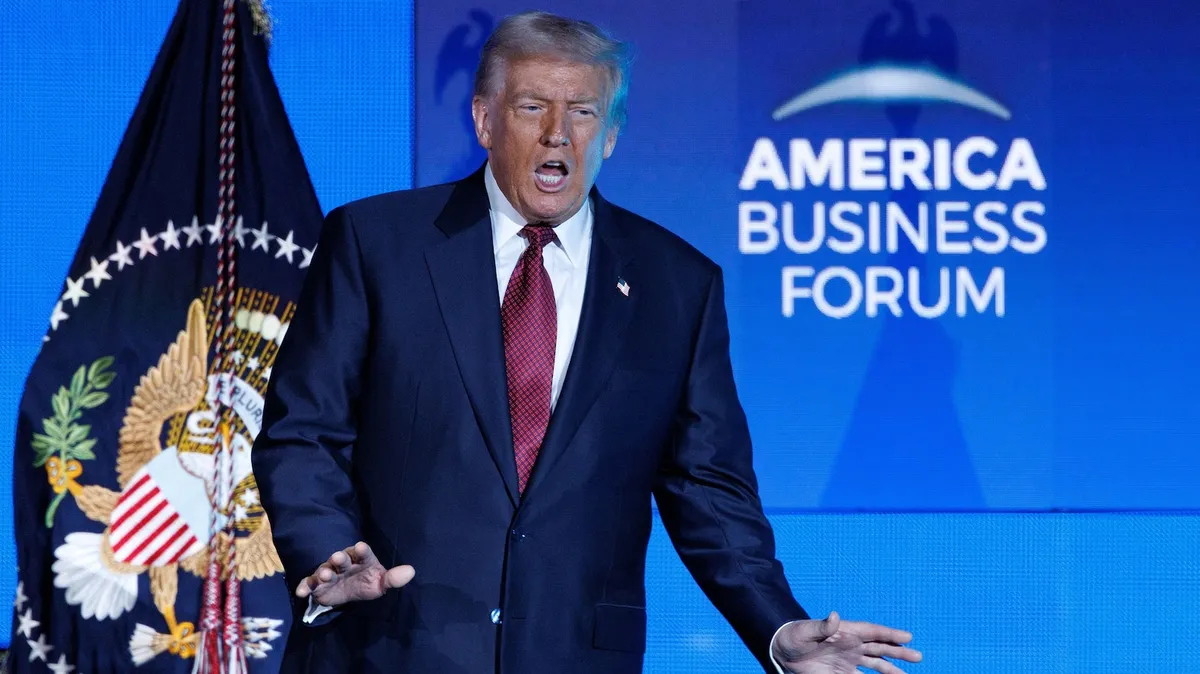
The Supreme Court's potential ruling on Trump's tariffs could lead to a chaotic refund process for over $90 billion in collected tariffs. Experts warn that businesses may benefit, but consumers likely won’t see any cash.

Businesses are optimistic about potential tariff refunds as the Supreme Court questions the Trump administration's stance. What does this mean for importers and how can they navigate the refund process?