

In a significant move, the U.S. military early Saturday boarded a tanker that was transporting Venezuelan oil and is not subject to U.S. sanctions. This action was taken as the vessel attempted to circumvent a blockade established by former President Trump. According to two sources familiar with the situation, this operation underscores the Trump administration's stance that nearly all oil tankers transporting Venezuelan crude are eligible for inspection and potential seizure, regardless of their sanction status.
This show of force by the U.S. military emphasizes a critical message: the Trump administration views the shipping of Venezuelan oil as a direct challenge to its authority. The boarding of this tanker marks the second such incident involving vessels carrying Venezuelan oil, raising questions about the U.S. government's intentions regarding control over these shipments. Following the seizure of the vessel Skipper on December 10, it remains unclear whether the U.S. will take similar action with the current tanker.
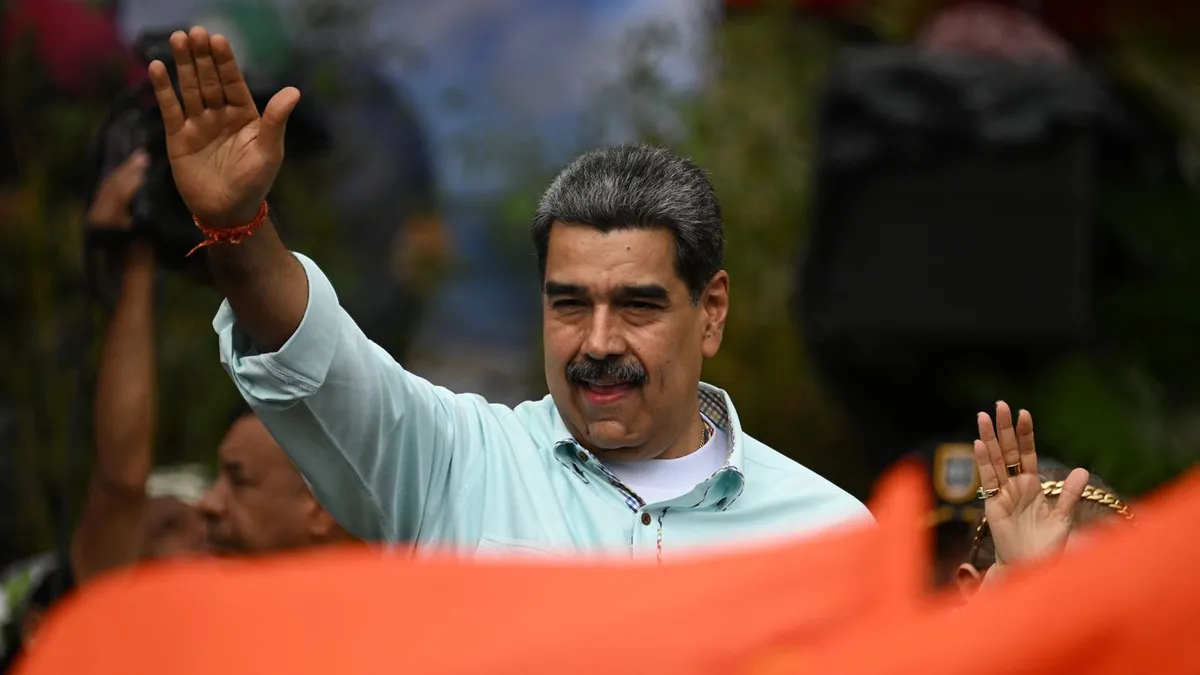
Sources indicate that this operation serves as a direct warning to Venezuelan President Nicolás Maduro, who has been indicted as a narco-terrorist and is actively sought by U.S. authorities. The move sends a clear signal that the U.S. does not tolerate actions that undermine its sanctions and is prepared to take decisive action against those involved in facilitating the shipment of Venezuelan oil.
Just six days after the Skipper's seizure, President Trump announced that the blockade would extend to all vessels listed under U.S. sanctions that engage with Venezuela. However, prior to this announcement, Trump’s advisors had already expressed concerns that virtually any vessel transporting Venezuelan crude could be subject to seizure. Recent actions by Maduro, including the dispatch of two non-sanctioned vessels to deliver Venezuelan oil—one of which was reportedly escorted by a Venezuelan naval vessel—highlight the ongoing tensions surrounding this issue.
At present, the U.S. government recognizes only one company, Certain Chevron, as authorized to ship Venezuelan oil. There are discussions among some Trump advisors about potentially pausing this arrangement to further squeeze Maduro's oil-dependent economy. This indicates a strategic approach intended to heighten pressure on the Venezuelan regime, complicating its access to international oil markets.
According to one source briefed on the boarding incident, this decisive action reflects the U.S.'s commitment to its military presence off the coast of Venezuela, signaling that this armada is not merely for display. "Even if we don't seize the oil, it's telling everyone who decides to play this game that we're going to interdict you at will," the source remarked. The implications of this stance raise questions about the willingness of other countries and shipping companies to engage in Venezuelan oil trade under the current geopolitical climate.
As tensions continue to escalate, it remains to be seen how this situation will evolve and what further actions the U.S. will take in its ongoing effort to exert pressure on the Maduro regime.