

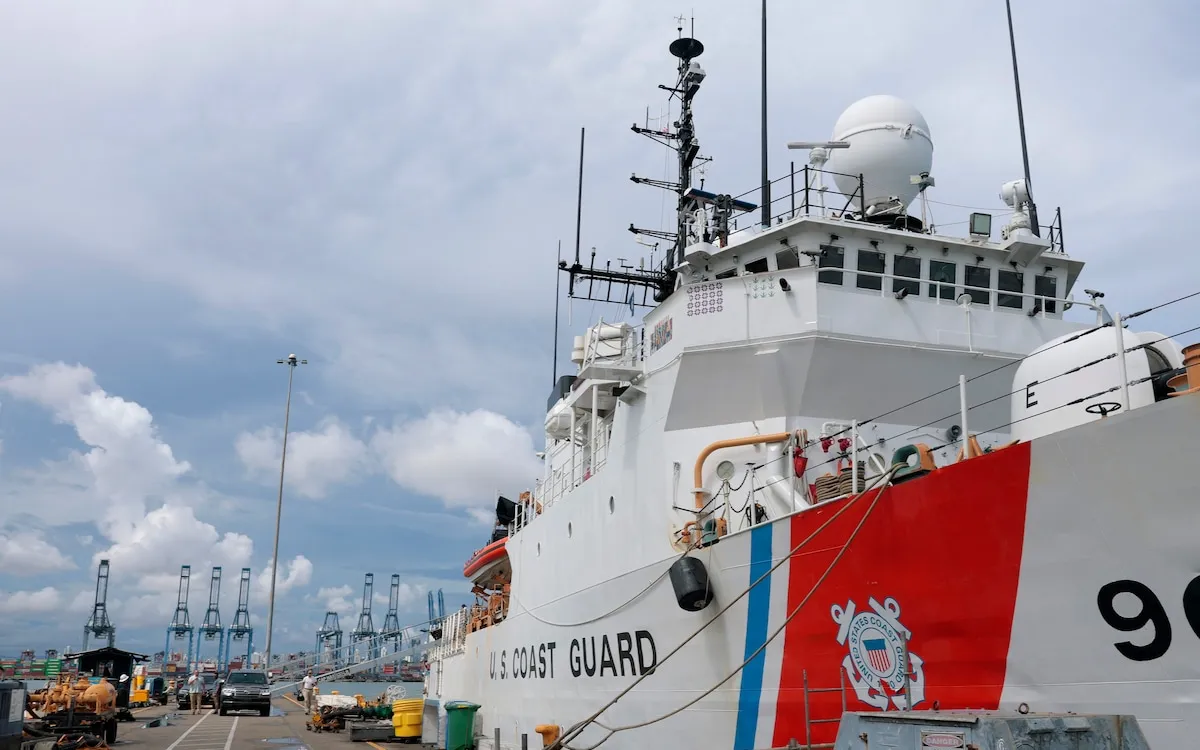
In a dramatic predawn operation, U.S. forces successfully boarded the Panama-flagged vessel, the *Centuries*, early Saturday morning. This action comes in the wake of President Donald Trump's recent declaration of a “total and complete blockade” on all oil tankers that are under U.S. sanctions entering or leaving Venezuela. The operation highlights the ongoing pressure campaign against the government of President Nicolás Maduro.
The operation involved highly trained service members who rappelled from helicopters onto the commercial ship. This tactical maneuver allowed the forces to quickly and efficiently gain control of the vessel. Notably, neither the *Centuries* nor its cargo was currently under U.S. sanctions, which raises questions about the broader implications of such military actions in international waters.
President Trump’s announcement regarding the blockade is part of a larger strategy aimed at crippling the Maduro government’s ability to export oil, a critical revenue source for Venezuela. The U.S. has been ramping up its efforts to isolate the Maduro regime economically and politically, utilizing measures that include sanctions and military operations to deter any support for his administration.
This recent military operation underscores the escalating tensions between the United States and Venezuela. As the U.S. continues to exert pressure through both diplomatic and military means, the situation remains fluid. Analysts are closely watching how these developments will affect not only Venezuela’s internal dynamics but also its relationships with other nations in the region.
The boarding of the *Centuries* marks a significant moment in the ongoing saga of U.S.-Venezuela relations. With the implementation of the blockade and the military actions taken by U.S. forces, the landscape of international maritime operations is shifting, and the implications of these actions will be felt for some time to come.