

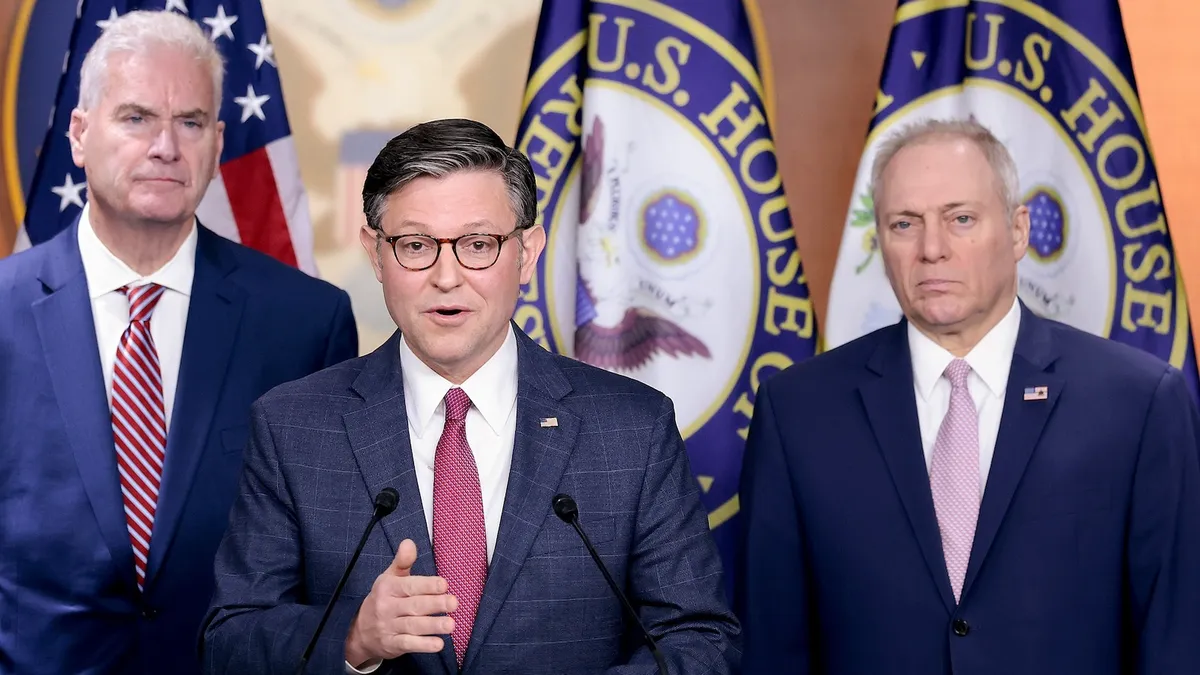
House Republicans, led by Speaker Mike Johnson, introduced a focused health care package on Friday aimed at addressing the growing costs of medical care in the United States. However, this proposal notably does not include an extension of the expiring enhanced Affordable Care Act (ACA) subsidies. The GOP's plan is set to be voted on the House floor next week and features several key components designed to improve health care access and affordability.
The proposed legislation aims to expand the availability of association health plans, which allow employers to band together to purchase health insurance coverage. Additionally, it introduces new transparency requirements for pharmacy benefit managers to help lower drug costs. The bill also allocates funds for cost-sharing reductions to help decrease premiums in the individual market. Notably, the 111-page measure does not provide any additional funding for health savings accounts.
In a statement on Friday, Speaker Johnson emphasized that while Democrats may advocate for increased taxpayer funding to insurance companies, House Republicans are committed to addressing the root causes of rising health care costs. "We want to provide affordable care, enhance access and choice, and restore integrity to our nation's health care system for all Americans," Johnson stated.
In addition to the main health care package, Republicans are considering a vote on an amendment that would extend ACA subsidies, although discussions regarding the specifics of this amendment are ongoing. The Rules Committee is scheduled to review the bill on Tuesday at 2 p.m. Following this markup, the House will vote on the amendment related to the subsidies, as well as the underlying health care bill, before it is sent to the Senate.
Former President Donald Trump expressed his desire for a health care plan that would provide direct aid to patients. He advocated for the idea of giving financial support to individuals through insurance accounts. "We want to see all of the money that's been squandered on insurance companies because Obamacare is horrible health insurance," Trump remarked, emphasizing that funds should be redirected to empower individuals in purchasing their own health care plans.
Despite the GOP's health care efforts, if the measure passes the House, significant action from the Senate is unlikely in the coming week. This situation raises concerns that the enhanced ACA premium subsidies, which millions of Americans depend upon, will lapse. House Democratic Leader Hakeem Jeffries criticized the Republican proposal as "toxic legislation" that fails to address the anticipated increase in ACA premiums.
Jeffries stated, "House Republicans are not serious about ending the healthcare crisis they have unleashed in this country." He highlighted that the new proposal does not include an extension of the ACA tax credits that are crucial for many Americans. Furthermore, he expressed a willingness to collaborate with Republicans on extending these subsidies, stating, "We are ready to work with anyone in good faith on the other side of the aisle who wants to prevent the ACA tax credits from expiring at the end of the month."
Prior to the health care package's introduction, nearly a dozen House Republicans publicly opposed Speaker Johnson by attempting to push for a vote on extending the expiring subsidies. As of Thursday, 11 Republicans had signed two discharge petitions aimed at extending these crucial subsidies, indicating a division within the party on this issue.
The Lower Health Care Premiums for All Americans Act aims to provide affordable health care solutions, and Speaker Johnson expressed optimism about advancing this legislation through the House. However, the impending expiration of the ACA subsidies remains a significant hurdle that could impact millions of Americans relying on these financial supports for their health care needs.