

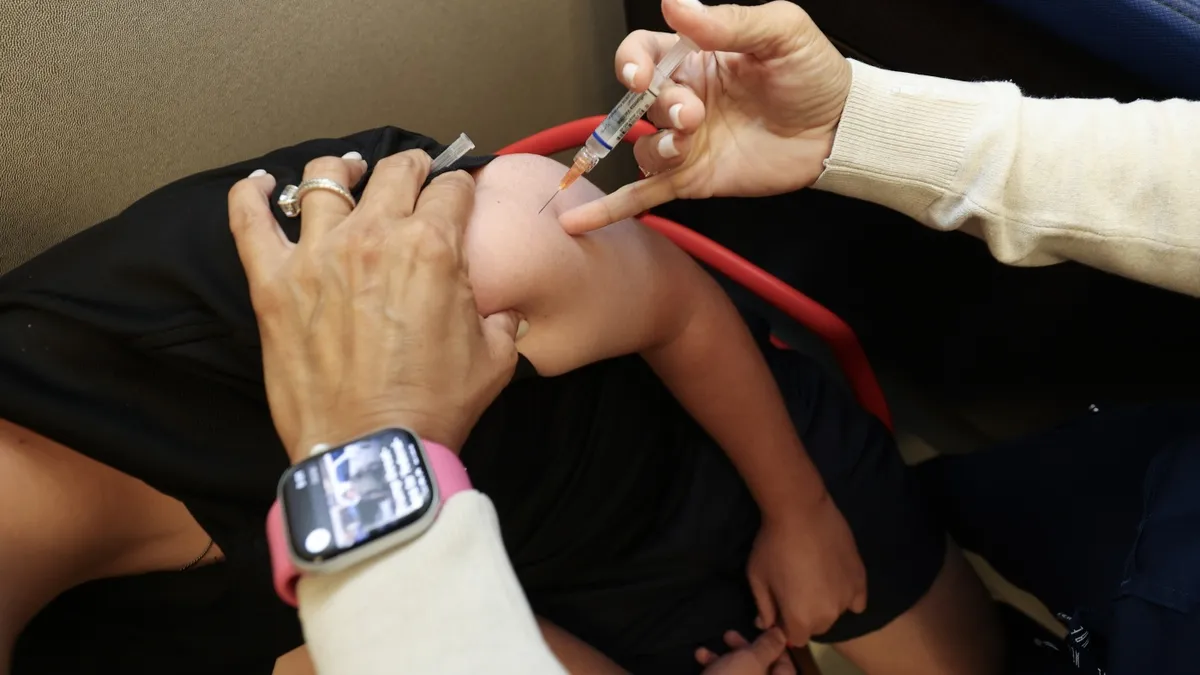
In a significant shift in public health policy, the Centers for Disease Control and Prevention (CDC) has announced a reduction in the number of vaccines routinely recommended for children, decreasing the total from 17 to 11. This change alters the landscape of childhood immunization, particularly affecting vaccines previously recommended for all children, including those for rotavirus, hepatitis A and B, meningitis, and seasonal influenza.
Under the revised vaccination schedule, these vaccines will now be recommended primarily for children identified as high-risk or following a thorough discussion with a healthcare provider, a process referred to as shared decision-making. This approach aims to tailor vaccine recommendations based on individual health needs rather than applying a one-size-fits-all strategy.
Health Secretary Robert F. Kennedy Jr. has been a longstanding critic of the safety and effectiveness of many childhood vaccines. His skepticism plays a pivotal role in this overhaul, as the administration seeks to recalibrate the immunization recommendations in alignment with international standards.
This decision follows a presidential memorandum issued on December 5, which directed the Department of Health and Human Services (HHS) and the CDC to analyze the vaccine recommendations of the U.S. in comparison to those in other developed nations. This initiative was part of a broader review to assess how other countries protect their children through vaccination.
On the same day, vaccine advisers voted to eliminate the recommendation for all newborns to receive a hepatitis B vaccine at birth. Presentations were made to the advisers, including insights from a senior official at the Food and Drug Administration (FDA) regarding the vaccine schedule in Denmark, which is noted for recommending fewer vaccines than the U.S.
In a statement regarding the changes, Kennedy emphasized the administration's commitment to aligning the U.S. childhood vaccine schedule with global best practices while enhancing transparency and informed consent. “This decision protects children, respects families, and rebuilds trust in public health,” he noted.
The changes were implemented without formal public comment or input from vaccine manufacturers, raising concerns among public health experts. Michael Osterholm, an epidemiologist and director of the University of Minnesota's Center for Infectious Disease Research and Policy, expressed his alarm over the lack of discussion surrounding the potential impacts of these changes on children's health. He labeled the decision as "radical and dangerous," warning that it could exacerbate public confusion and endanger children's lives.
Senior HHS officials pointed to a troubling decline in routine vaccination rates, particularly in measles vaccinations, as a sign of waning public confidence in vaccines. The administration hopes the revised schedule will help bolster public trust and improve vaccination uptake among families.
Despite the adjustments to the vaccination schedule, HHS officials confirmed that no vaccines have been removed; rather, their status has shifted. Vaccines will remain accessible and covered by insurance through the shared clinical decision-making process, allowing patients and healthcare providers to collaboratively decide on vaccinations.
Furthermore, HHS officials announced plans to initiate placebo-controlled trials to investigate the timing of vaccines and their long-term effects. These trials are set to begin at the CDC, with additional studies planned at the FDA and the National Institutes of Health, though specific details on costs and timelines were not disclosed.
As the landscape of childhood vaccination continues to evolve, ongoing research and public discussion will be crucial in ensuring that the health and safety of children remain a top priority.