

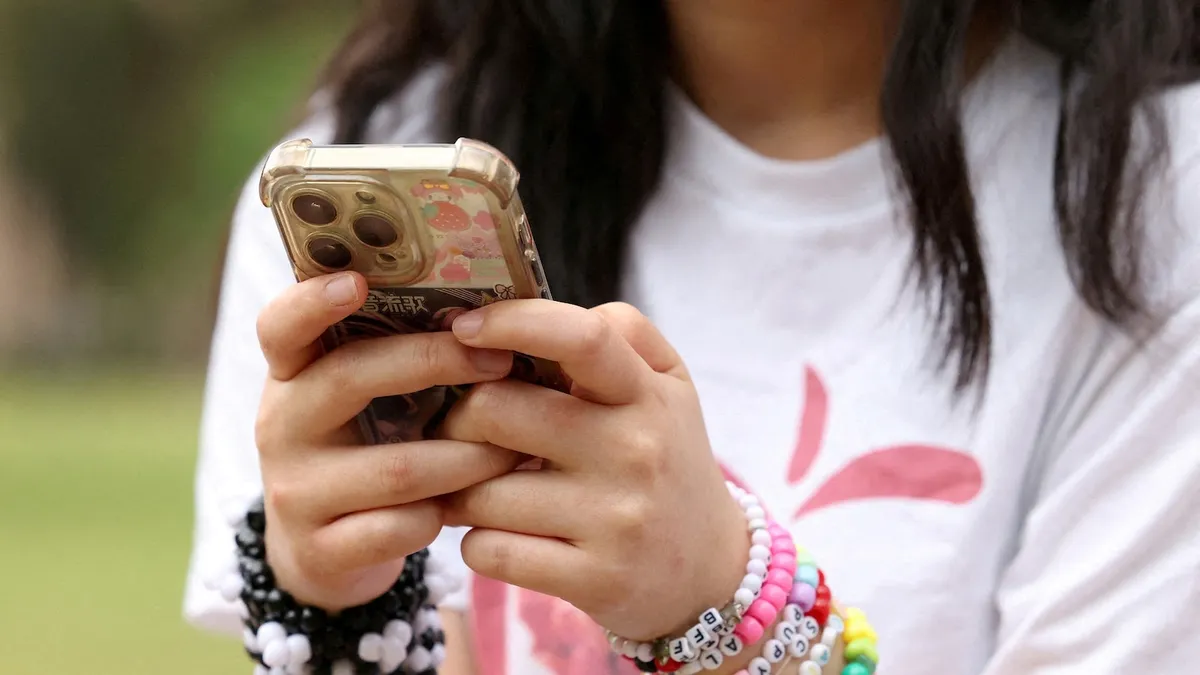
As of midnight local time on December 10, Australia has officially enforced a social media ban for children aged 16 and under. This unprecedented legislation has garnered support from numerous child advocates and parents, who view it as a pivotal step towards enhancing children's mental health, reducing anxiety levels, and fostering self-esteem. However, questions remain regarding the feasibility of social media companies in effectively keeping children off their platforms.
Tanya Short, a drama therapist and mother of three, expressed her appreciation for the new law, particularly for parents with children aged 10 and younger. "I can absolutely see the benefit of it," she shared with ABC News. This sentiment reflects a broader consensus among parents who are relieved to have support in managing their children's online activities.
Australian Prime Minister Anthony Albanese has hailed the new law as a potential source of national pride, emphasizing its objective to protect and support Australian families. "This law is about making it easier for you to have a conversation with your child about the risks and harms of engaging online," Albanese stated. He further noted that this legislation empowers parents to combat peer pressure surrounding social media usage, allowing them to reference a national ban rather than solely relying on personal family rules.
According to the law, social media platforms are mandated to take reasonable steps to prevent children aged 16 and under from creating or maintaining social media accounts. Companies must deactivate or remove existing accounts linked to users under 16 and prevent new account creation or usage through workarounds. This regulation currently applies to ten major platforms, including Meta's Facebook, Instagram, Threads, Reddit, Snapchat, TikTok, Twitch, X, and YouTube, as identified by the eSafety Commissioner, Australia’s independent online safety regulator.
Despite the law's intentions, social media companies have voiced concerns. Snapchat has described the ban as "misguided" and cautioned that disconnecting teens from their friends and family could lead them to less safe messaging apps. "We continue to advocate for more privacy-conscious solutions, such as mandating age verification at the device, operating system, or app store level," the company stated in a November 22 announcement.
Meta, the parent company of Facebook, Instagram, and Threads, also criticized the ban, arguing that such blanket measures could isolate teens from essential online communities and information. "There's a better way: legislation that empowers parents to approve app downloads and verify age," a Meta spokesperson remarked, emphasizing the importance of family decision-making over governmental control.
Dan Donahoo, head of projects at Project Rockit, an anti-bullying organization, acknowledged the growing consensus for enhanced online safety measures for children, but questioned the effectiveness of the new law. "We want to support our children in this emerging digital age, but we’re also wondering if this is the best way to keep them safe," he told ABC News.
In compliance with the new law, social media companies have begun to deactivate children's accounts. The legislation, passed last year, aims to shield young Australians from online pressures and risks associated with social media usage. These risks include design features that encourage excessive screen time and exposure to harmful content. Notably, there are exceptions to the ban for certain messaging, online gaming, and professional networking apps. Companies that fail to comply may face fines of up to AUD 49.5 million (approximately USD 33 million).
This landmark legislation is being closely monitored by other countries and local governments considering similar measures. For instance, Denmark proposed a social media ban for children under 15 in October, with Prime Minister Mette Frederiksen referring to social media as a factor that "steals our children’s childhood." During a parliamentary address, Frederiksen highlighted the negative influences of social media on children’s mental health, reading skills, and concentration, underlining the urgency of addressing online safety concerns.
As Australia embarks on this innovative approach to child safety in the digital age, the world watches closely to see how these measures unfold and whether they can effectively safeguard the well-being of children online.