


In a controversial operation, the US military struck two boats allegedly involved in drug smuggling, resulting in multiple casualties. Legal experts are questioning the legality of these actions amidst the ongoing 'war on drugs' campaign.
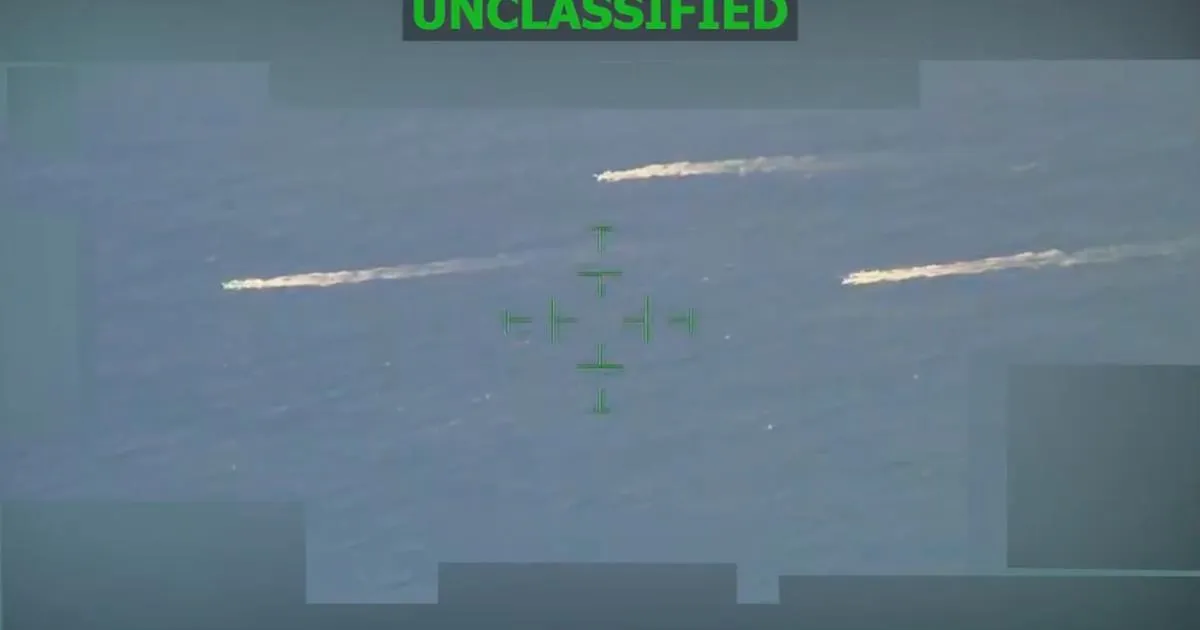
U.S. military strikes on narco-trafficking vessels in the Pacific Ocean lead to fatalities and raise legal questions. With ongoing operations against drug smugglers, controversy surrounds the treatment of survivors.
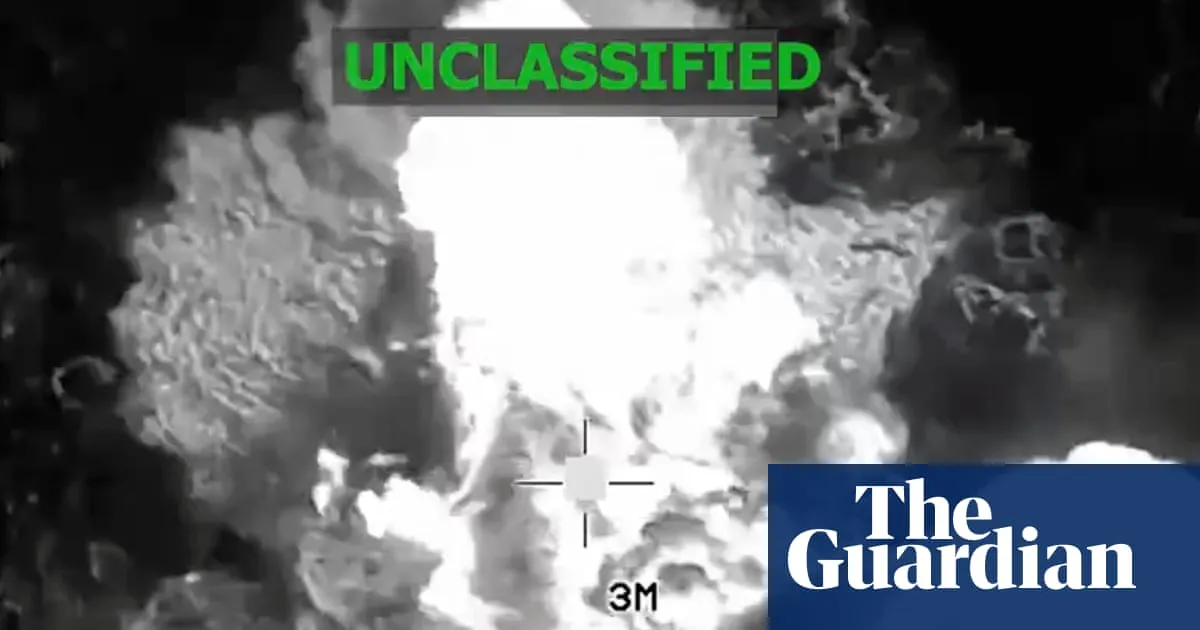
In a recent strike in the Eastern Pacific, the US military killed four men aboard a vessel suspected of carrying illegal narcotics. This attack has sparked intense debate over the legality and ethics of military action against drug traffickers.
Legal experts are raising alarms over the US military's second strike on a Venezuelan drug boat, calling it possibly illegal and an extrajudicial killing. The incident has ignited a debate over international law and military conduct.
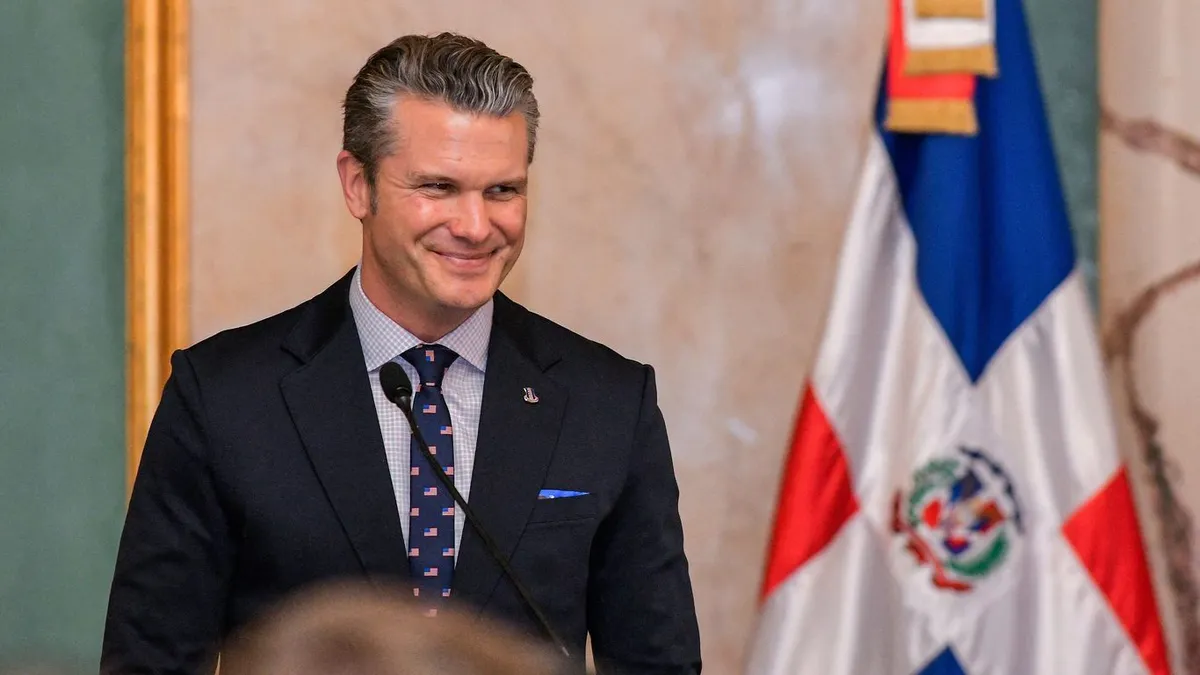
Amid allegations that Secretary of Defense Pete Hegseth ordered strikes on survivors of drug trafficking boats, Trump allies push back, insisting the claims are unfounded. Legal experts raise concerns about potential violations of the law of war.
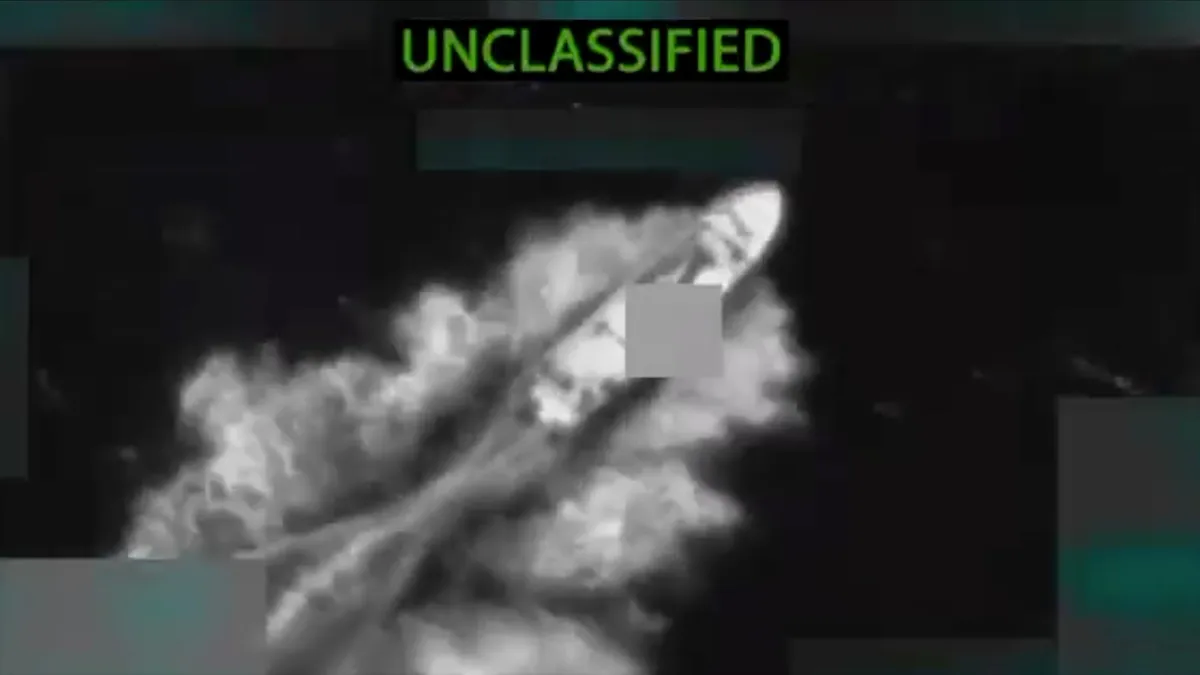
In a bold move, the U.S. military has conducted strikes against drug vessels in the Eastern Pacific, resulting in 14 casualties. This operation marks a significant escalation in the war on drug cartels, with 57 fatalities reported so far.

In a surprising move during the government shutdown, the Pentagon has accepted a $130 million anonymous donation to cover active-duty troop salaries. Experts are raising legal concerns about the implications of private funding in military operations.
The Pentagon has received a $130 million anonymous donation to cover military salaries amid a government shutdown, but legal experts warn that using these funds without Congress's approval could be unconstitutional. The donation raises serious questions about military funding and oversight.
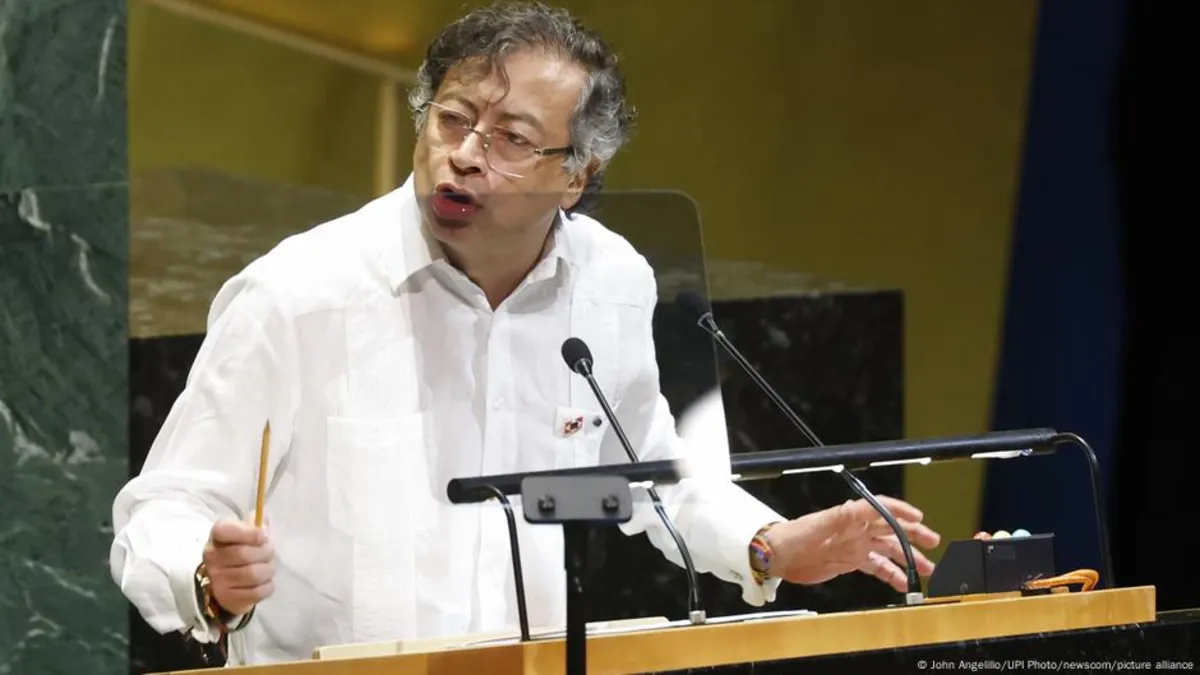
In a dramatic statement, Colombia's President Gustavo Petro accuses the US of murdering a fisherman in a military strike against narcoterrorists, sparking outrage and calls for accountability.
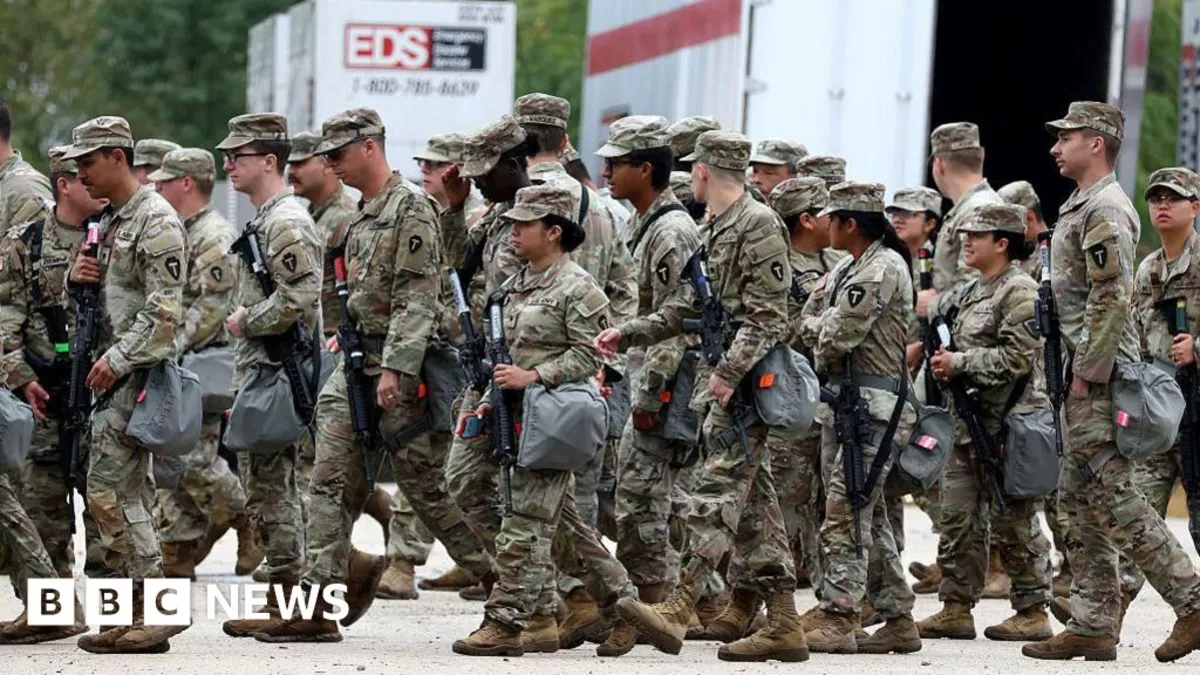
In a controversial move, President Trump has deployed National Guard troops to Chicago to support his immigration policies, labeling the city a 'war zone'. Local officials are pushing back, citing legal concerns.