

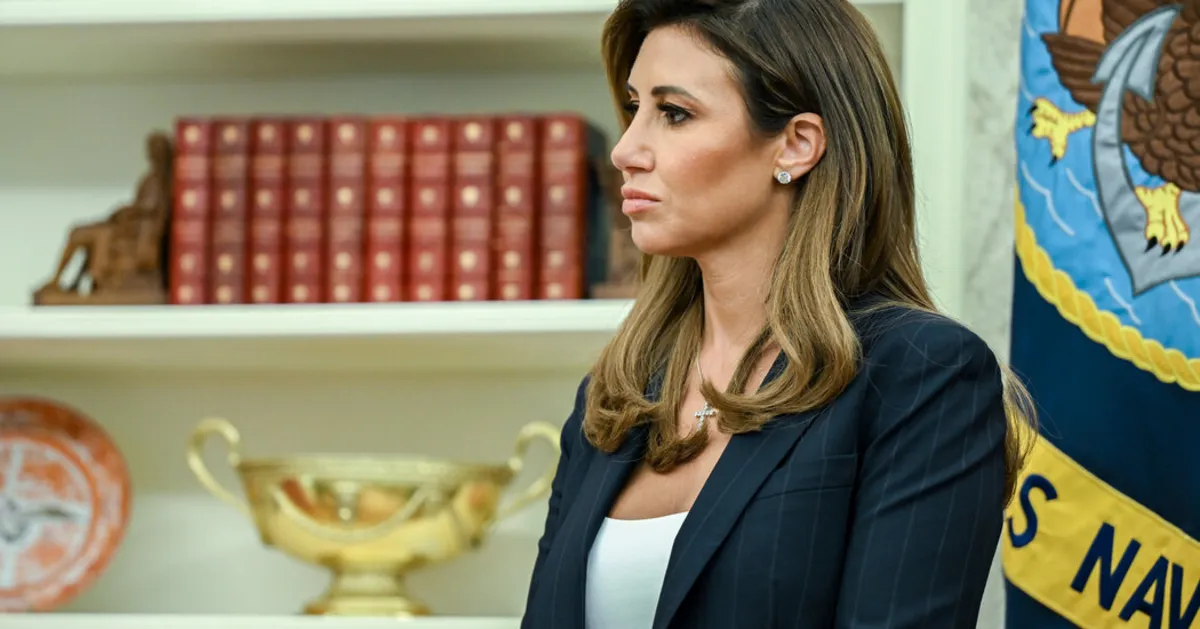
A federal appeals court issued a significant ruling on Monday, declaring that Alina Habba has been serving unlawfully as the U.S. attorney in New Jersey. This decision poses a considerable setback for the Trump administration and sets the stage for a potential confrontation at the Supreme Court.
The ruling came from a three-judge panel based in Philadelphia, which upheld an earlier decision by a Federal District Court judge. The panel systematically rejected all arguments presented by the government that sought to justify Ms. Habba's continued service in her role. The judges pointed out that the Trump administration seemed to be growing increasingly frustrated with the legal and political obstacles that have hindered its ability to appoint preferred U.S. attorneys to lead federal prosecutors’ offices.
In their opinion, the judges emphasized the need for clarity and stability, stating, “Yet the citizens of New Jersey and the loyal employees in the U.S. attorney’s office deserve some clarity and stability.” This statement illustrates the court's recognition of the impact Ms. Habba's contested authority has on both the local community and the federal workforce.
Alina Habba is one of several U.S. attorneys retained by the Trump administration despite not being confirmed by the Senate or appointed by district trial court judges—two traditional methods for such appointments. This ruling raises questions about the legality of her position and the broader implications for other U.S. attorneys in similar situations.
The challenge to Ms. Habba’s authority could mark the first case of its kind to reach the Supreme Court. However, there may be a competing case involving the U.S. attorney in Virginia, Lindsey Halligan, which could be expedited due to its connections with ongoing criminal cases against individuals opposing President Trump.
This ruling highlights the ongoing tensions surrounding appointments within the federal legal framework and raises significant questions about the future of U.S. attorneys under the Trump administration. As the legal battles continue, all eyes will be on the Supreme Court to provide clarity on these contentious issues.