

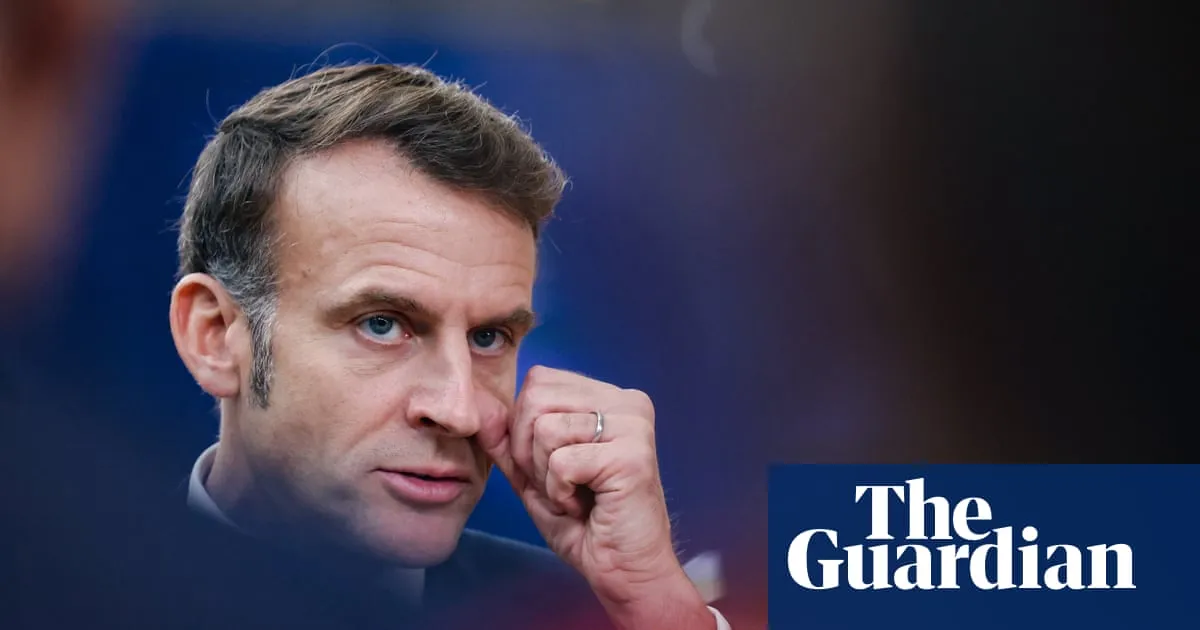
European leaders, including French President Emmanuel Macron, have vocally condemned the recent US visa ban targeting five prominent figures involved in the campaign for stricter regulations on American tech companies. The visa restrictions were announced on Tuesday and have ignited a fierce debate regarding digital sovereignty and free speech.
The US imposed visa bans on Thierry Breton, the former EU commissioner and key architect of the bloc’s Digital Services Act (DSA), alongside four other anti-disinformation advocates. The individuals affected include Imran Ahmed, CEO of the US-based Center for Countering Digital Hate; Anna-Lena von Hodenberg and Josephine Ballon from the German non-profit HateAid; and Clare Melford, co-founder of the Global Disinformation Index.
US Secretary of State Marco Rubio justified the visa bans on social media platform X, asserting that European ideologues have been attempting to coerce American platforms, leading to a form of "extraterritorial censorship." He emphasized that the Trump administration would no longer tolerate such actions, framing them as unjustified attempts to influence American viewpoints.
The visa ban has drawn widespread condemnation from Germany, Spain, the UK, and various EU officials. President Macron expressed his outrage, labeling the measures as "intimidation and coercion" designed to undermine European digital sovereignty. He reiterated that the regulations established by the European Parliament and the Council were democratically adopted to ensure fair competition among platforms and to enforce the legality of online activities.
Macron emphasized the importance of protecting Europe’s independence and the rights of its citizens. In his communication with Breton, he expressed gratitude for Breton's contributions to the DSA and vowed to continue the fight for European digital sovereignty.
French Foreign Minister Jean-Noël Barrot echoed Macron’s sentiments, asserting that the peoples of Europe are free and sovereign, and cannot allow external powers to dictate their digital policies. The president of the EU Commission, Ursula von der Leyen, also stressed the importance of freedom of speech as a cornerstone of European democracy, pledging to protect it against unjustified external measures.
The Digital Services Act, passed in 2022, requires large digital platforms to demonstrate accountability in addressing online risks, including hate speech and misinformation that could affect election integrity. This legislation is viewed by Washington as a form of censorship, while European leaders argue it is crucial for maintaining a safe digital environment.
Breton criticized the US action as reminiscent of a "McCarthy witch-hunt," highlighting that the DSA received overwhelming support from the European Parliament and member states. He urged American allies to recognize that censorship is not where they presume it to be.
In Germany, the Justice Ministry expressed solidarity with the affected campaigners, stating that the visa bans are unacceptable and undermining the fight against unlawful digital hate speech. German Foreign Minister Johann Wadephul reiterated that the DSA was democratically adopted and does not extend its reach beyond the EU.
This incident underscores the growing tensions between the US and Europe, particularly regarding digital regulations and freedom of expression. The recent sanctions imposed on various European figures by the US mark a significant escalation in this ongoing conflict. Observers note that these tensions may further complicate the digital landscape as AI and other technologies become pivotal in global power dynamics.
As European leaders unite against the US visa ban, they reaffirm their commitment to uphold digital sovereignty and defend their regulatory autonomy. The statements from Macron, Barrot, and other officials illustrate a collective determination to ensure that Europe’s digital future is shaped by its own democratic processes rather than external pressures. The situation remains fluid, and the future of US-Europe relations in the digital age is poised for further scrutiny and debate.