

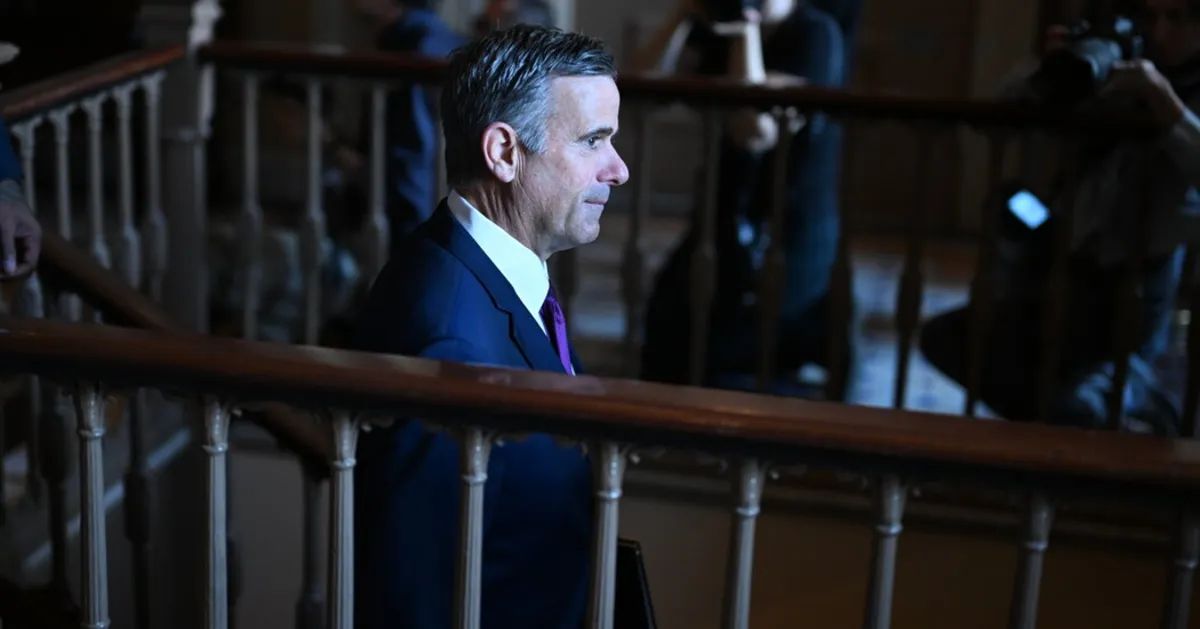
In a significant diplomatic move, C.I.A. Director John Ratcliffe met with Delcy Rodríguez, the interim president of Venezuela, in Caracas on Thursday. This meeting marks the first visit by a senior American official, and the first cabinet member to travel to Venezuela since the U.S. military's dramatic operation to seize President Nicolás Maduro nearly two weeks ago. This visit underscores the Trump administration’s stance that the interim government is viewed as the most viable path to achieving stability in Venezuela in the immediate future.
Mr. Ratcliffe's meeting with Ms. Rodríguez took place shortly after President Donald Trump communicated with her over the phone. Interestingly, this high-profile diplomatic engagement coincided with President Trump’s meeting with María Corina Machado, the leader of Venezuela's opposition and a Nobel laureate. The timing of these events has raised eyebrows and may be perceived as a snub to the opposition. Supporters of the opposition have expressed frustration, arguing that the Trump administration has not taken steps to empower Edmundo González, an ally of Ms. Machado, since the removal of Maduro.
Edmundo González, who is recognized by international election experts as the legitimate winner of the 2024 election, was barred from running alongside Ms. Machado, leading to the current political turmoil. Despite his electoral victory, Maduro has clung to power, complicating the political landscape in Venezuela. The U.S. official who provided details about Mr. Ratcliffe's meeting indicated that the C.I.A. director was sent on this mission at President Trump’s direction to emphasize the United States' desire for an improved working relationship with Venezuela.
During their discussion, Ratcliffe and Rodríguez addressed several crucial topics, including intelligence cooperation, strategies for achieving economic stability, and the pressing need to eliminate Venezuela's status as a “safe haven for America’s adversaries, particularly narco-traffickers.” This focus on combating narco-trafficking aligns with broader U.S. national security interests and highlights the complex interplay between U.S. foreign policy and Venezuelan internal affairs.
As the situation in Venezuela continues to evolve, the implications of these high-level meetings and diplomatic overtures will be closely watched by both supporters and critics of the current administration's policy towards Latin America.